
Lessons from the Pasture
I realize my writings are not consistent, not due to the chaotic nature of my life, but rather because I can not force them. For me, a piece will just come to me, usually as I am busy doing something else, and it just starts forming; sentences, thoughts, maybe images start to bubble in my mind. It will just continue to roll around up there, rewording, rephrasing ideas until I finally carve out some time to put my fingers to the keyboard and let it out... like releasing a valve under pressure. Usually this occurs in the stillness of late night, when I am surrounded by the quiet sounds of purring or snoring.
Late one afternoon recently I was outside, camera in hand, and I started to wander. I was hoping that if I found crocuses, I could actually let myself believe that maybe spring had actually arrived. I seem to experience Stockholm Syndrome with winter where I live and am slow to believe. The chirping birds in the morning have been trying to convince me, but I am hesitant to believe, having been deceived almost every March/April of my life.
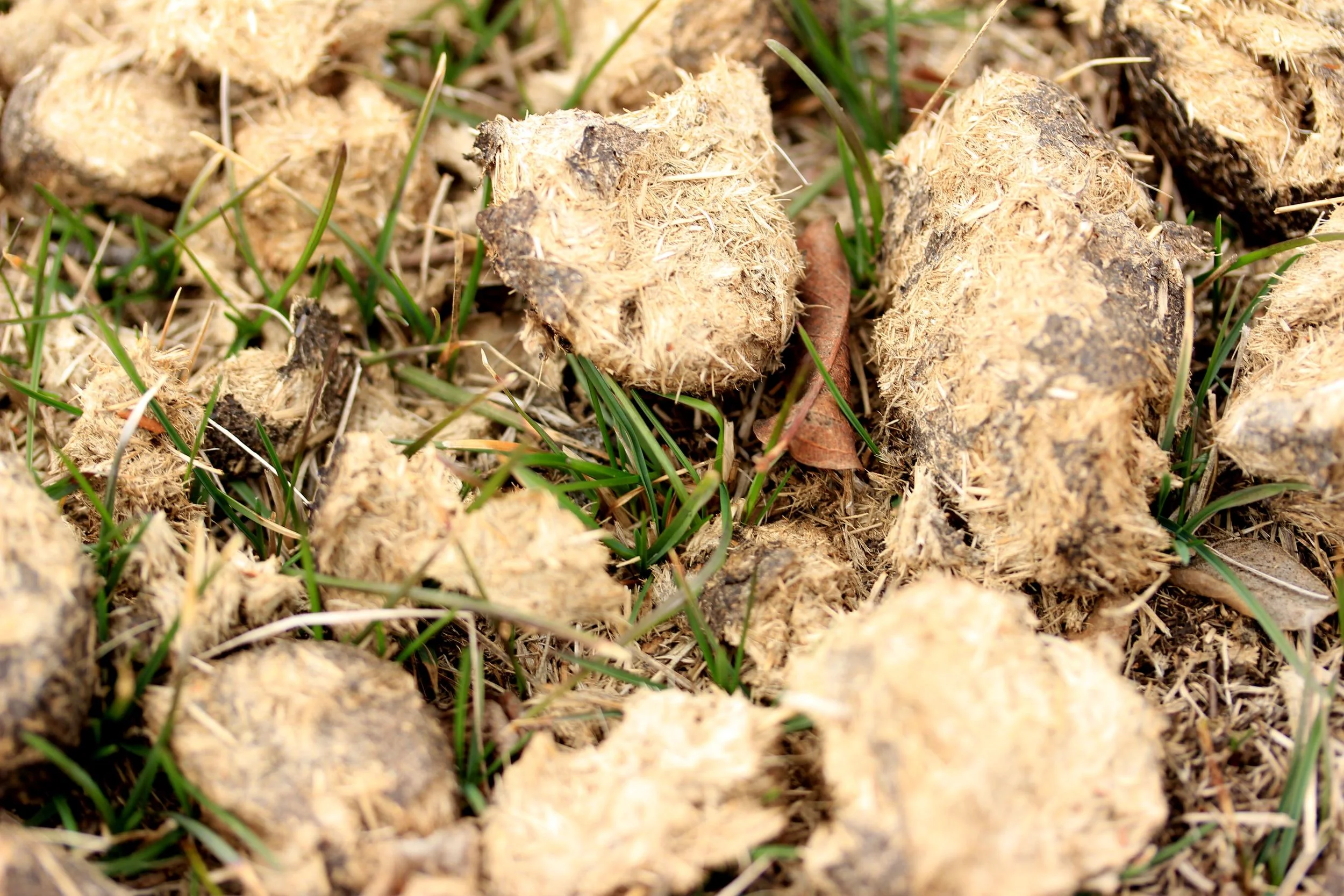
I meandered up into the pasture and was hopeful to see tiny blades of grass starting to turn green. In the vastness of beige the undertones of emerald made my heart happy. By last fall, the horses which were contained in the fences had done a great job of trampling and grazing a pasture that was long, long overdue for those tasks. As I wandered through the piles of horse manure and dead plants this composition began to take form in my brain.
For the twenty-some years prior to this past summer, this pasture had just grown. It was overgrown, under-grazed, thick and unruly. We knew it needed help and had gotten our first grazer, Bill the Goat. He did well, but it was too much for one lowly goat to handle.
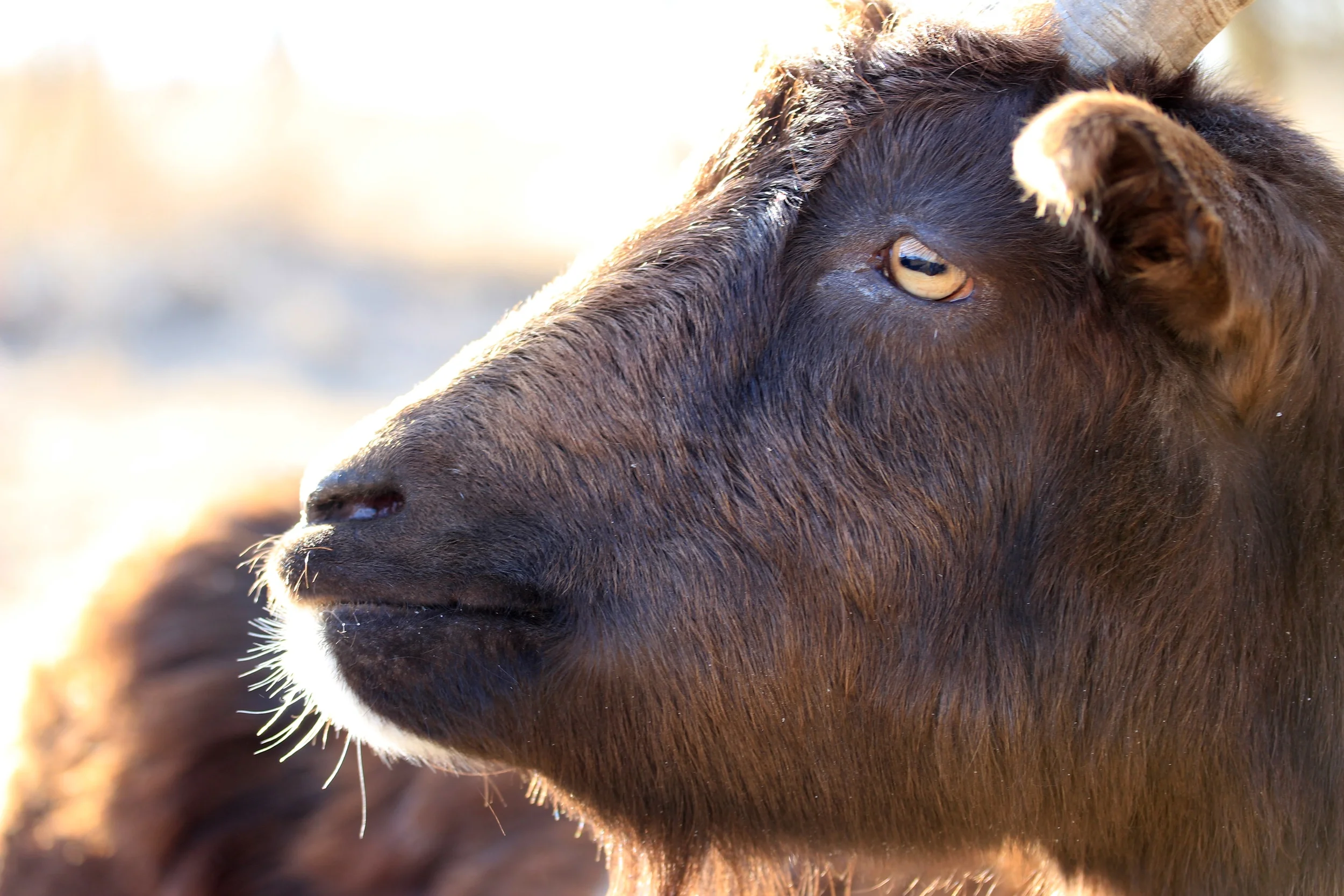
I can only do so much. I am only a goat... who likes bananas and Cornnuts.
Last spring, we were contacted by neighbors to rent the pasture and gladly welcomed their two horses to do what they do: run and eat.
Fast forward to this spring and the field is trampled, grazed and so different. But the amazing thing I realized is what actually become visible thanks to this transformation. We had long suspected there was a spring, and thus the cause of the basement seepage, in the pasture hillside. Thanks to the horses, the drain-field of the spring is clearly visible.
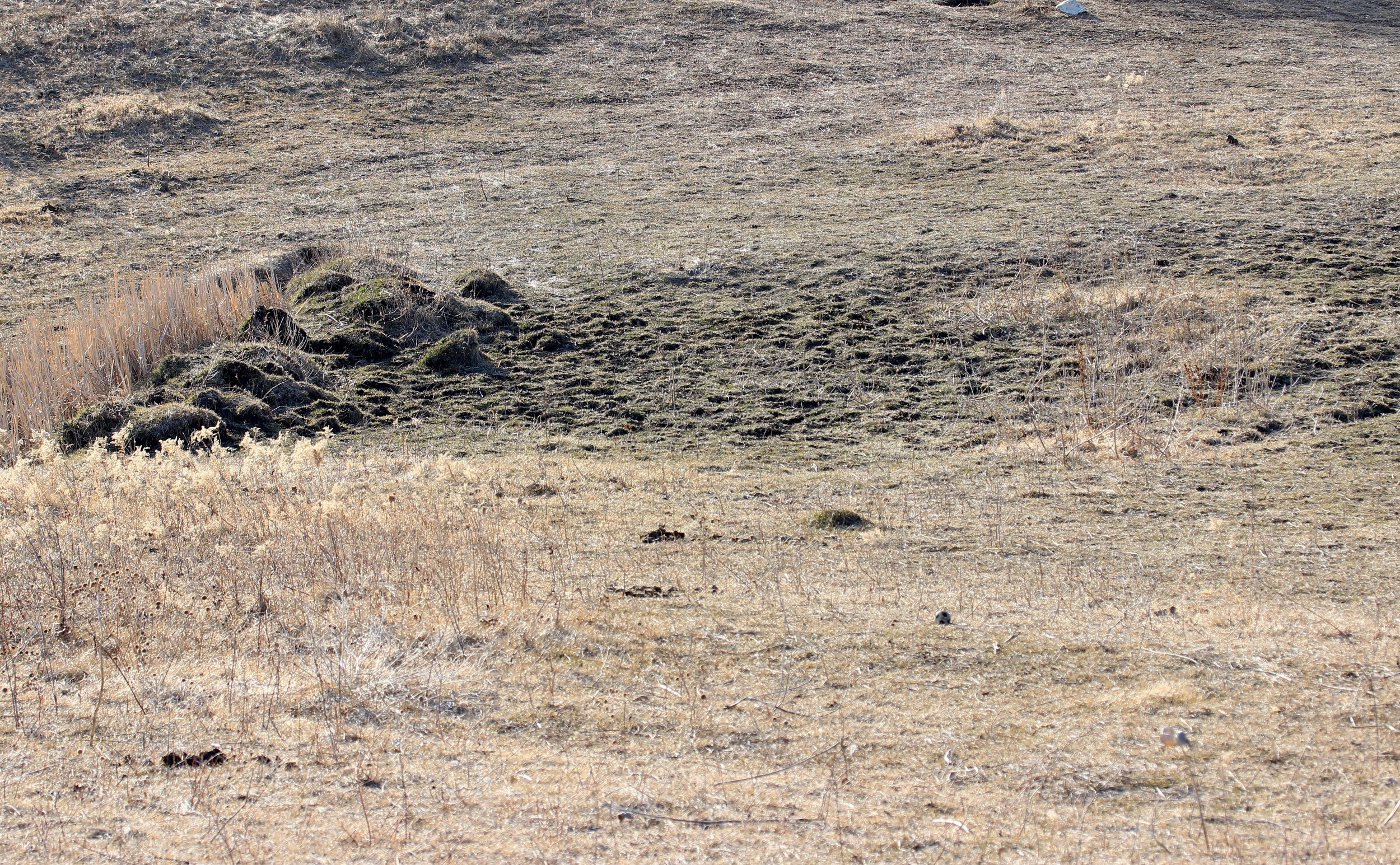
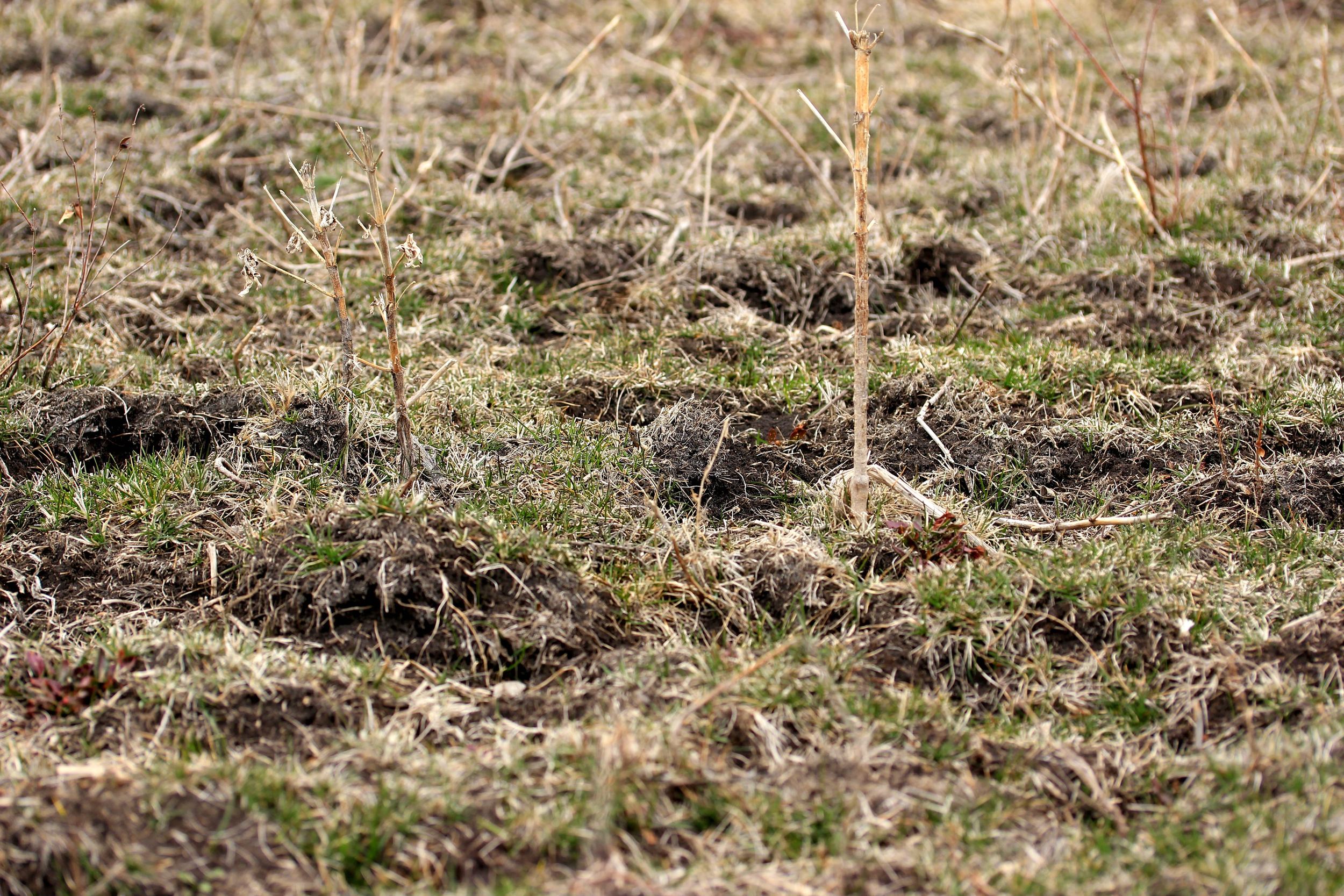
Even in the dry months of August, their hoof marks could be seen in wet mushy soil.
The grazing has clearly outlined which shrubs and weeds are inedible and will need to be removed by other means.
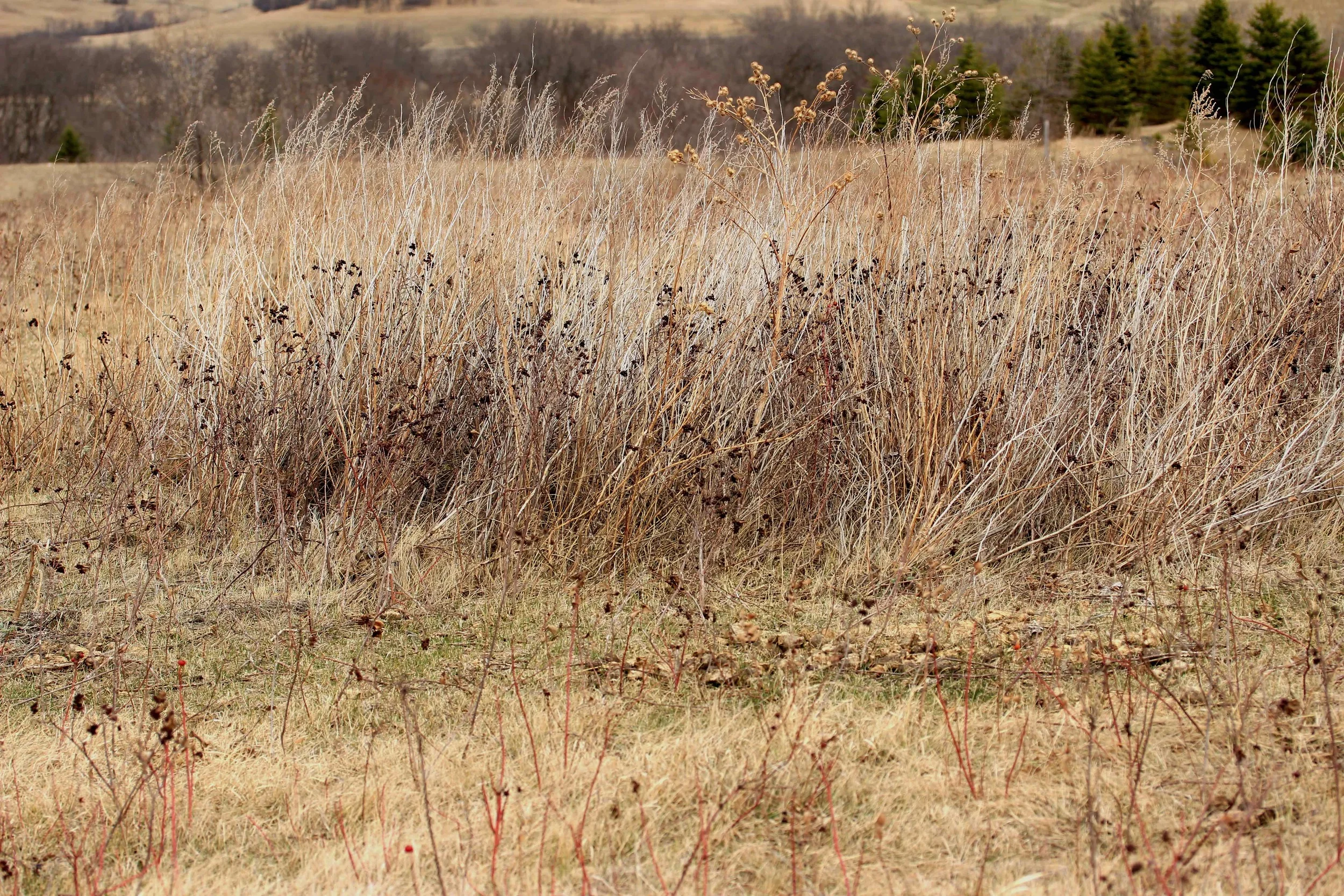
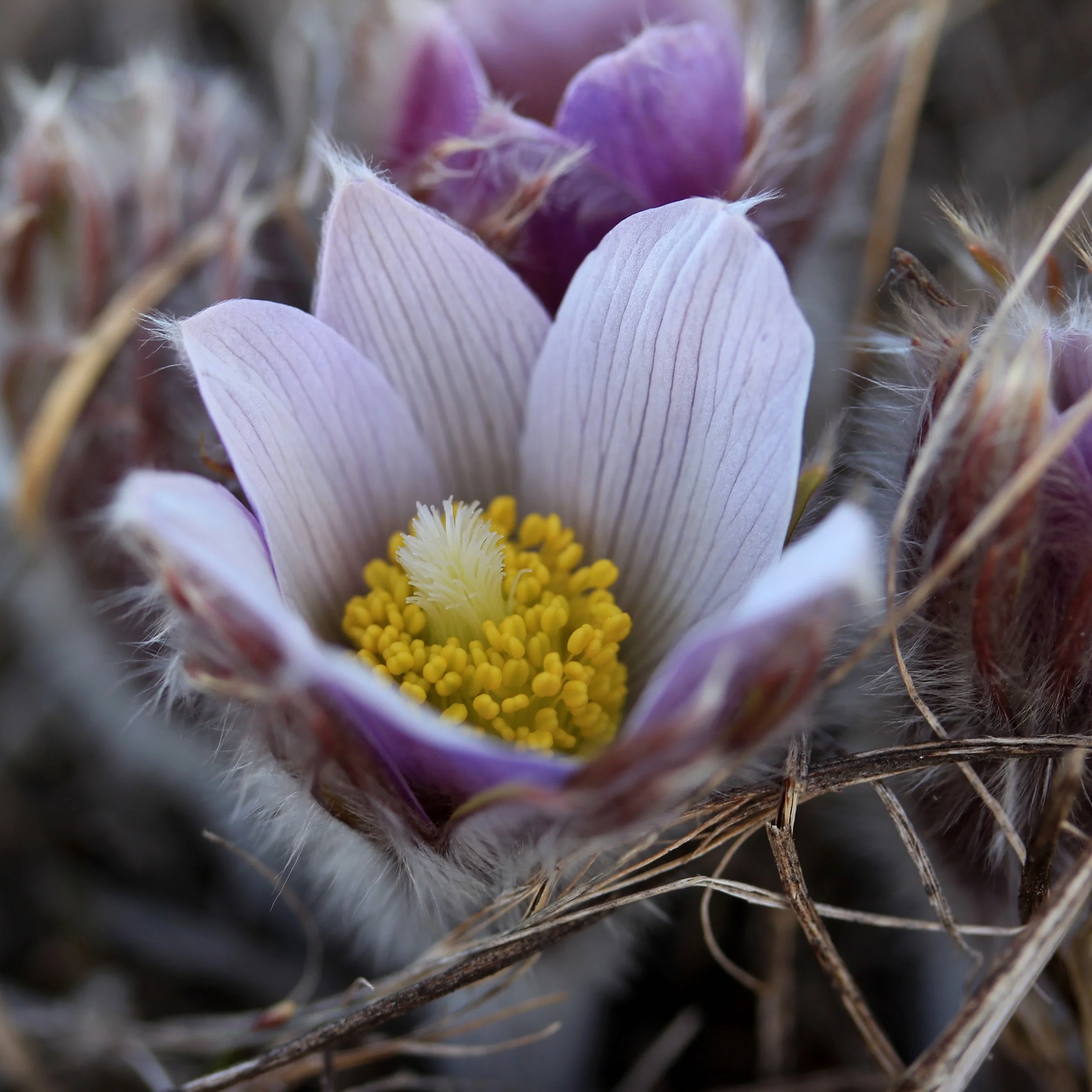
It has allowed for the visibility of the emerald green sprouts that are beginning to shoot up that would previously had been invisible until much taller. And, the trodden earth exposed what I was searching for, the crocuses. On the hillside, with their faces to the dusky sun, they sat. Some still waiting to unfurl. And they have always been here, but there was too much clutter, too much overgrowth to have been noticed.
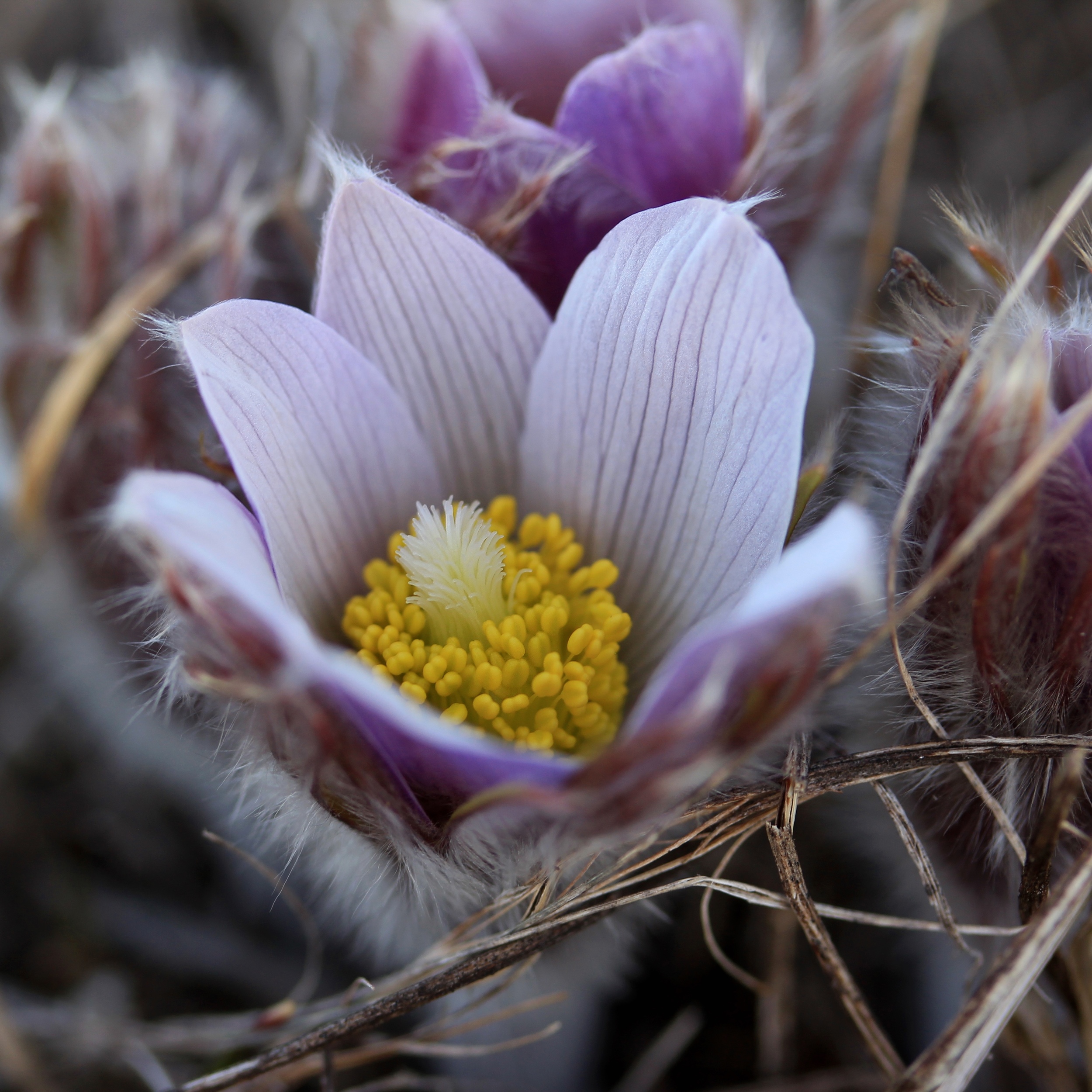
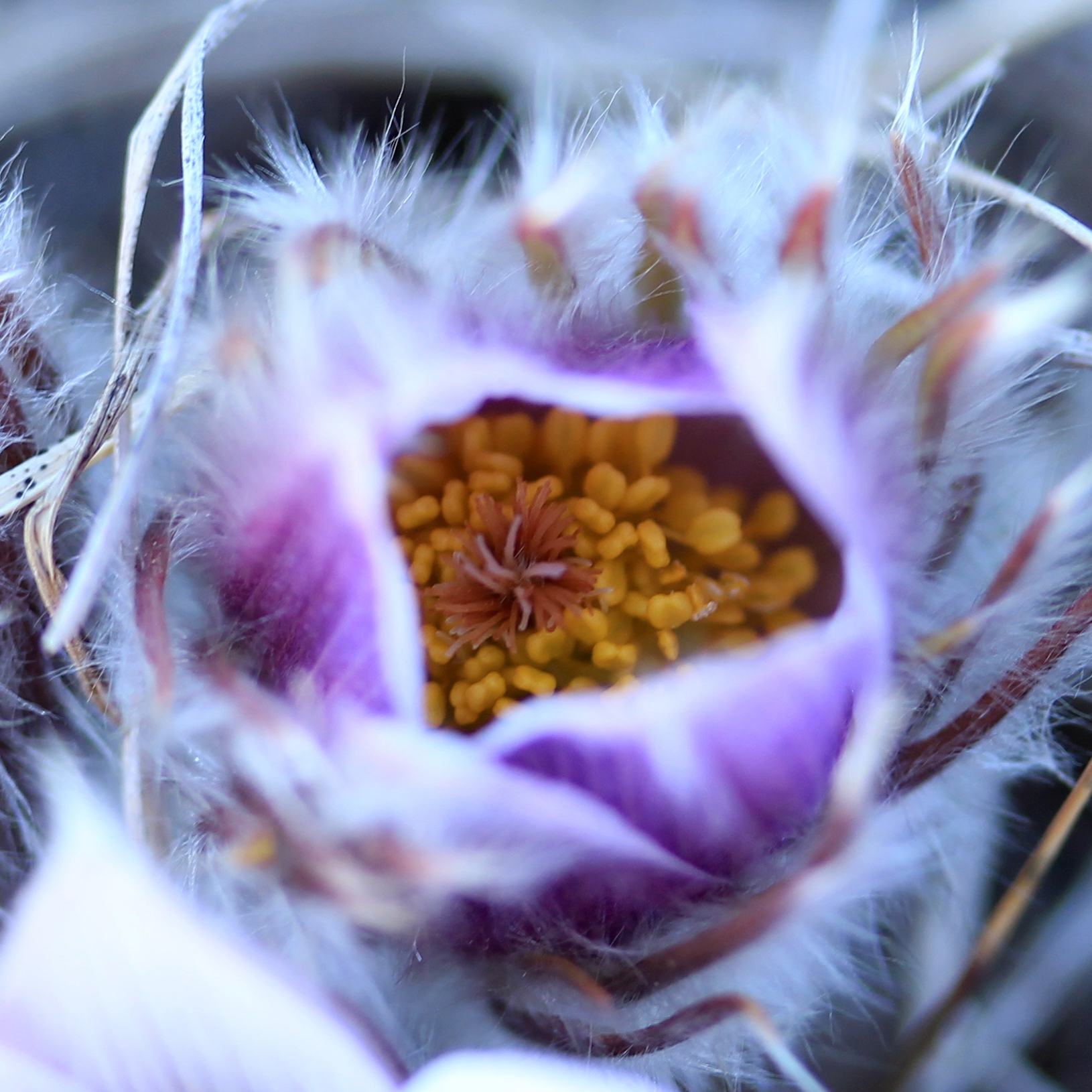
I realized the pasture is a lot like us. We become too cluttered, overgrown, busy and chaotic. At times life will crush and trample us. We will feel squashed and exposed and what remains are the weeds. But then the beauty is revealed. Literally new growth comes from a pile of crap.
We see what we overlooked and passed over. We see what needs to be removed and pruned because it is not of use to us, and in fact may be harmful. We realize how much love is around us.
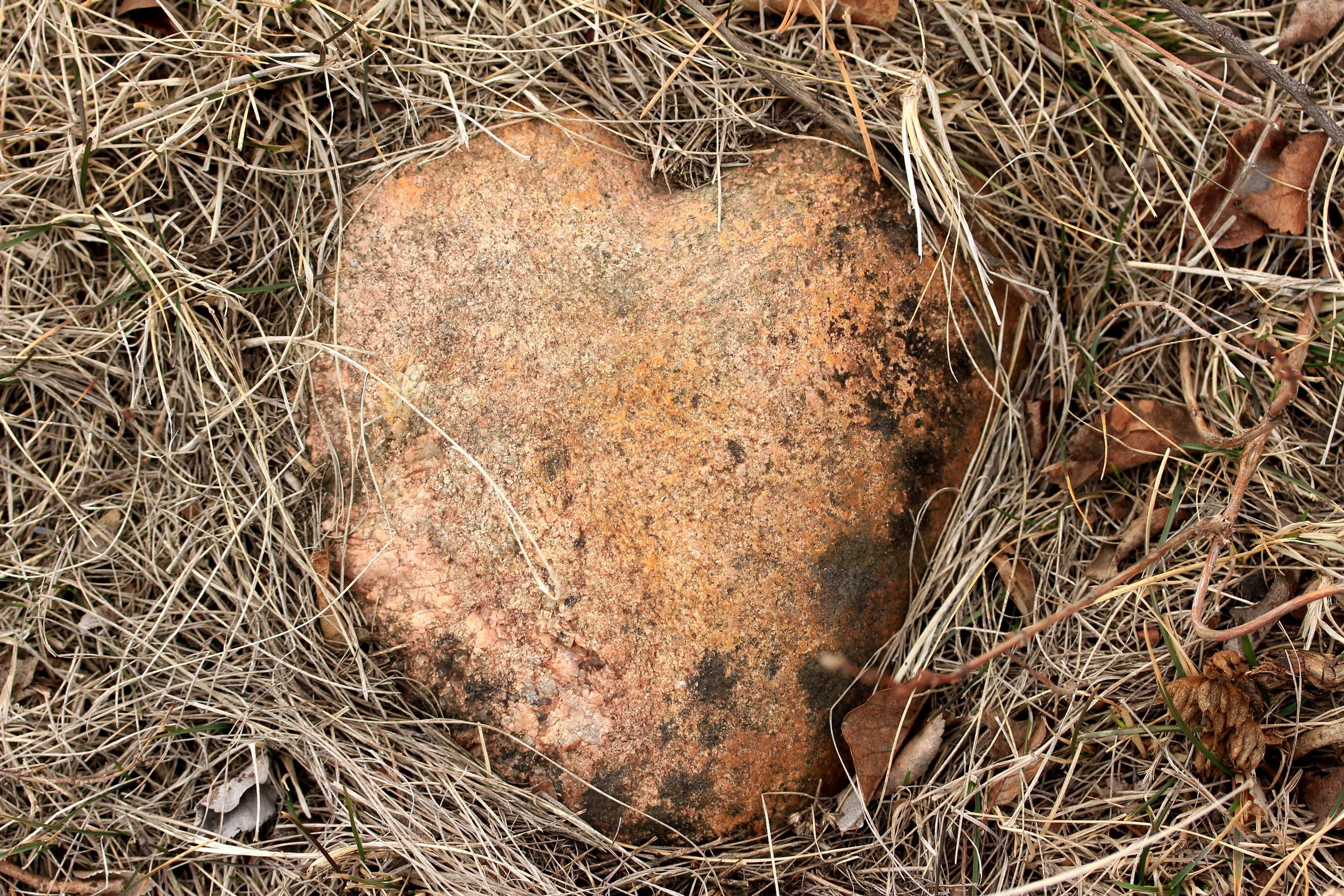
And in the end we are left with rebirth of something beautiful and regrowth of something sustainable.
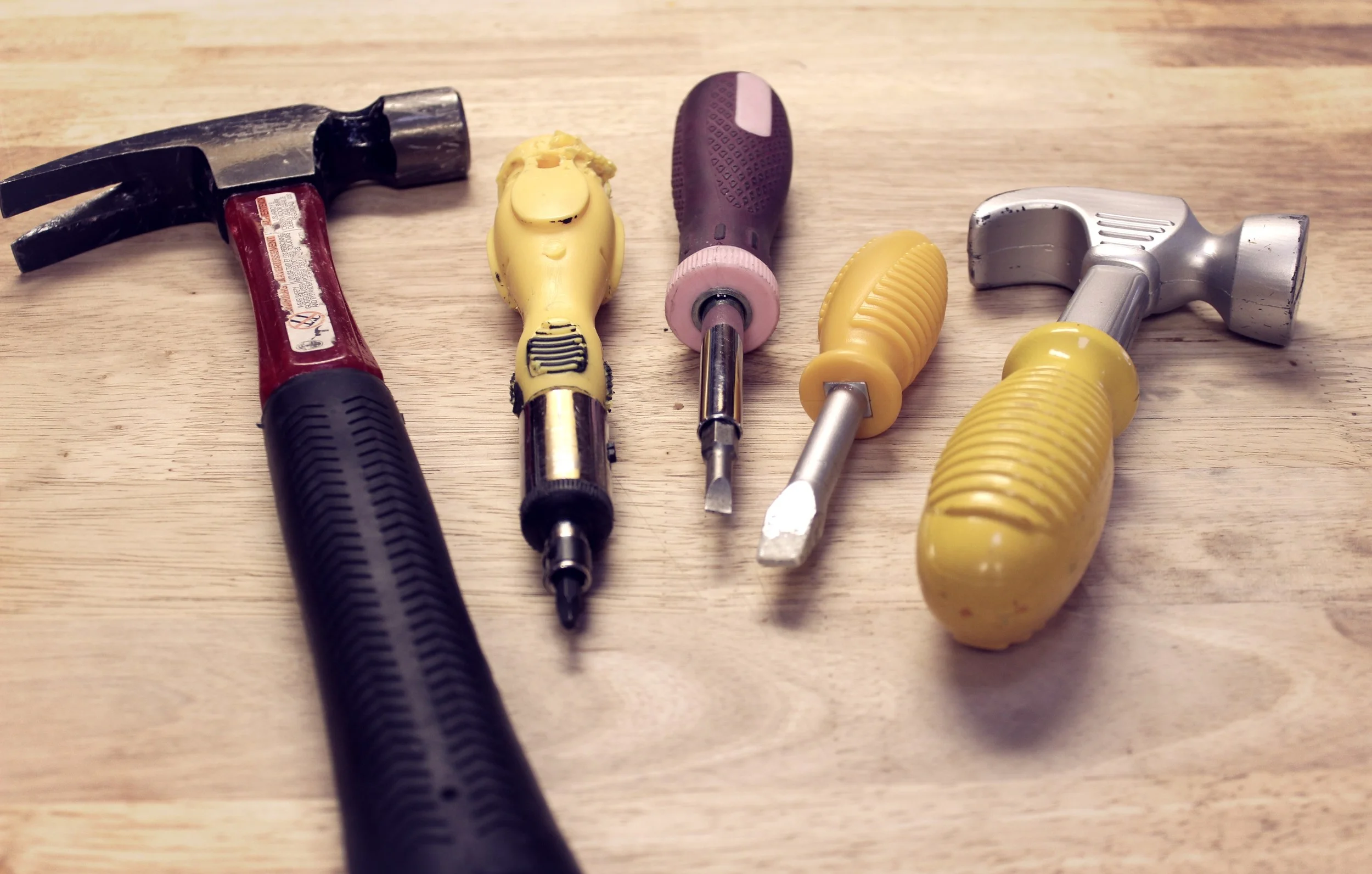
The Tools in our Toolbox
I recently finished reading Brene' Brown's book Rising Stong. It is a book that should be read by anyone and everyone. It was that amazing. Read it, I promise, you will find insight in her words.
Brown talks in the book about a study in which she asked a plethora of subjects the question, "Do you believe most people are doing the best they can, given the tools they have." The responses and their correlation to their own feeling of "wholeheartedness" are quite intriguing. Ask yourself the question and see what you answer. Then read the book. Trust me.
The first time I heard this expression of people functioning the best they can with their tools they have was back in one of my nursing classes. I remember hearing it and it just stuck. It was one of those expressions that honestly changed the way I looked at people, their reactions, and their behaviors. When I worked in an ICU, I witnessed a multitude of behaviors and reactions. Experiencing an ICU setting often tends to bring out the least desirable traits in humans, because of the unexpectedness, tragedy, or finality that often seems to accompany the experience. I encountered family members that were clueless, unrealistic, angry, resentful... the emotions went on and on. There was really only two choices I could make. Judge them for their current actions, or acknowledge they were doing the best they could with the tools they were given.
The more I embraced this thought pattern, the less judgement lived in my thoughts. We like to judge, as humans. Oh... we like it. It makes us feel powerful, superior, BETTER. When we judge, we make the assumption that everyone was handed the same tool box at birth. Which frankly, we weren't. The reality is some of us have a huge shop, walls lined with standing tool chests filled with every Snap-On, Dewalt and Craftsman tool known to man. Some of us have that little wooden toolbox we got as a child, that has a hammer and a screw.
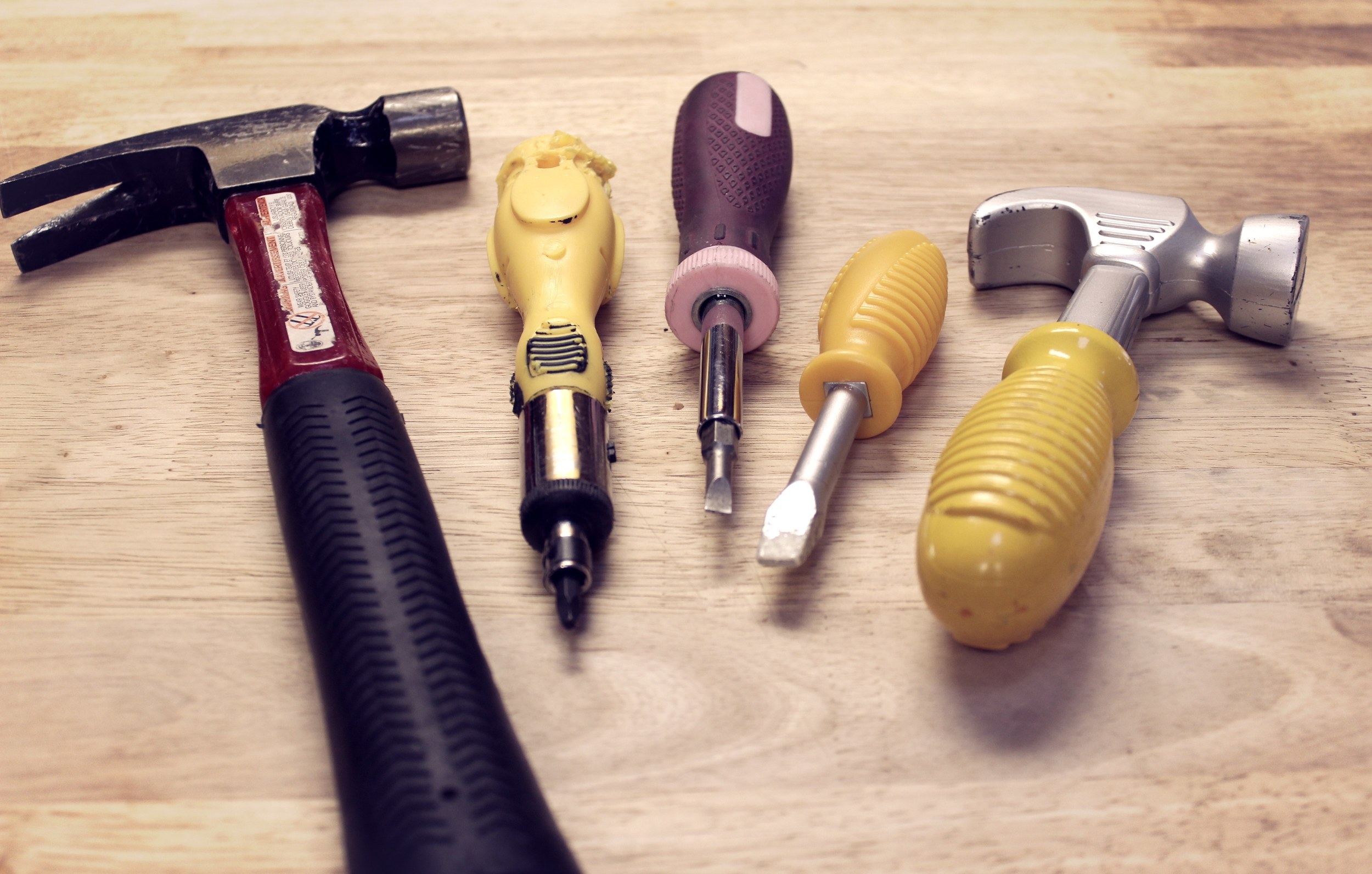
All of our tools are not the same.
Some of us, through education, privilege, luck, and hard work acquire tools as we grow. Some of us will suffer through addiction, tragedy, loss and abuse, misplacing some tools along the way.
I firmly believe there is truth is the statement "You can not know, what you do not know." So does this excuse behavior or actions? No. However, if someone has never been giving the proper coping tool to deal with defeat, or a humility tool to accept praise, they simply do not know better. If someone has never received the tool of accountability or responsibility, can we fault them for feeling a sense of entitlement?
Sometimes we are offered a tool, and we proudly say "No, No! I don't need that! Thanks anyway." Recently I was offered a tool for one of my children and instantly felt guilt and shame because I obviously have screwed them up before they have reached puberty, and they were going to move out and go find the Fuller House gang to move in with. When blathering about how I'd messed up as a mother, and Jesse, Joey and Danny were far better parents than I, a couple people, who I respect and love, gently reminded me "This isn't about you. It is about them." Oh yeah...
What I failed to realize is that they weren't really handing the tool to me, but those near me, those who may benefit from the tool: our kids, our students, our spouse. They may be the one who will actually benefit from the offered tool. We need to take the tool, and realize it wasn't made exactly like ours, but just ever so slightly different for those it is intended.
In interactions we encounter, instead of jumping to judgement, what if we actually considered offering a tool we may have of our own? Insight, knowledge, experience or even something as simple as a hug may be the exact tool someone else needs. When offered a tool, instead of quickly refusing it because we think we don't need it, what if we looked around us to see if it is actually tailored for those little sticky hands we hold?
I was discussing this "tool" concept with my friend Dr. Heather (lesson plans, not stethoscopes) and she told me of a phrase she heard in graduate school: "If the only tool in your toolbox is a hammer, everything will look like a nail." Wow. Mind blown again. The ability to acquire different tools allows us to adapt and use the best tool for the job. A hammer does not effectively work on a screw. It can be done, but not with any form of finesse or skill.
As we approach experiences and individuals with this tool concept, it is vital to realize that though you and I may both have a hammer, they may appear differently. This doesn't not make one better or worse; make one right or wrong. They are just the tools that work for each of us, and as my dad emphatically yelled, I mean stressed, (after finding pliers, hammers and screwdrivers strewn about the yard) we must respect others tools, because they are valuable and we have no idea the the cost at which that person attained the tools they have.
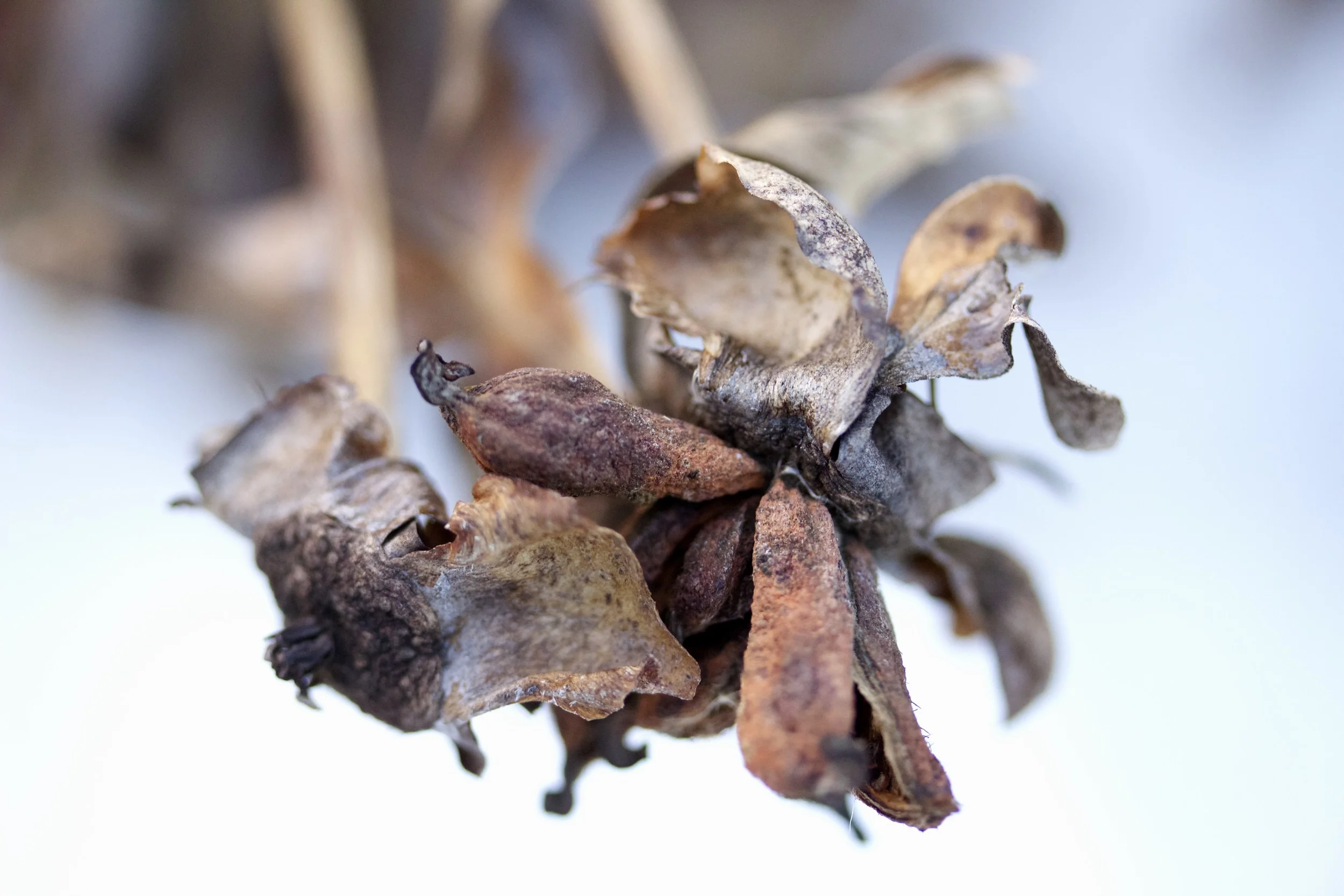
The Promise of Dormancy
It was one of those days that I felt like a frayed wire. I was exhausted, overstimulated and crabby. It was also a beautiful rare 40 degree day in January. I grabbed my camera and wandered off into the yard.
"What are you going to take pictures of?" My husband voice trailed after me as I trekked up into the pasture. "I dunno." I said truthfully. But I had my macro lens fitted on my camera and I knew well enough if I wandered a while, the urge to punch someone in the neck would drastically lessen.
As I wandered through the pasture, the neighboring cattle lowing in the distance, I had challenged myself to find beauty in the the drab dormant surroundings. Most think it ugly, bleak, harsh in contrast to spring or summer. It is no surprise that most people love spring and summer: the rebirth, the colors the vibrancy (and the heat.) For the most part, winter is harsh. But as I slowed down, and looked, really LOOKED, there were amazing things to be discovered in that dismal setting.
Dormancy, that period of waiting. Why is it necessary? What's the big deal? I read some about dormancy after my wandering and found the science surrounding it fascinating, and applicable to life as I know it. Dormancy allows the conditions become ideal for new growth and development. Without dormancy, the plant sprouts too early in less than ideal conditions and die. Dormant seeds allow plants to give rise to new species. The white spruce requires a chilling period before it can continue new growth and development.
In contrast, human society thrives on and encourages constant motion. Development, advancement, success, exhaustion and popularity are benchmarks of doing it "right." Being "busy" is our most prized adulting merit badge. News syndicates throw out ill-prepared stories to get clicks and likes. People tweet poorly-thought out messages to cause pain before they are pained. We are becoming programmed to rush, to react, never to pause and wait, because "doing nothing" is a lazy crime. This constant, self imposed activity is what had lead me to standing still and alone in this pasture. Anxiety and stress started to fall from me like the helicopter seeds my children throw in the air, spiraling away in the breeze. ,
But nature waits. When we don't interfere with nature, she seems to handle things pretty well. For say, oh, thousands of years. She takes some time to rest. She insists her plants and trees indulge an idleness that allows them to function again, sometimes even better than before.
We could learn from observing her. There is beauty in the pause. It is reparative. It is necessary. Dormant periods allow timing to synchronize with the environment that is the most beneficial and ideal for our growth. We must be willing to slow down, suspend the need to "go, go, go" and risk exposure, weathering to allow ourselves to mature and blossom.
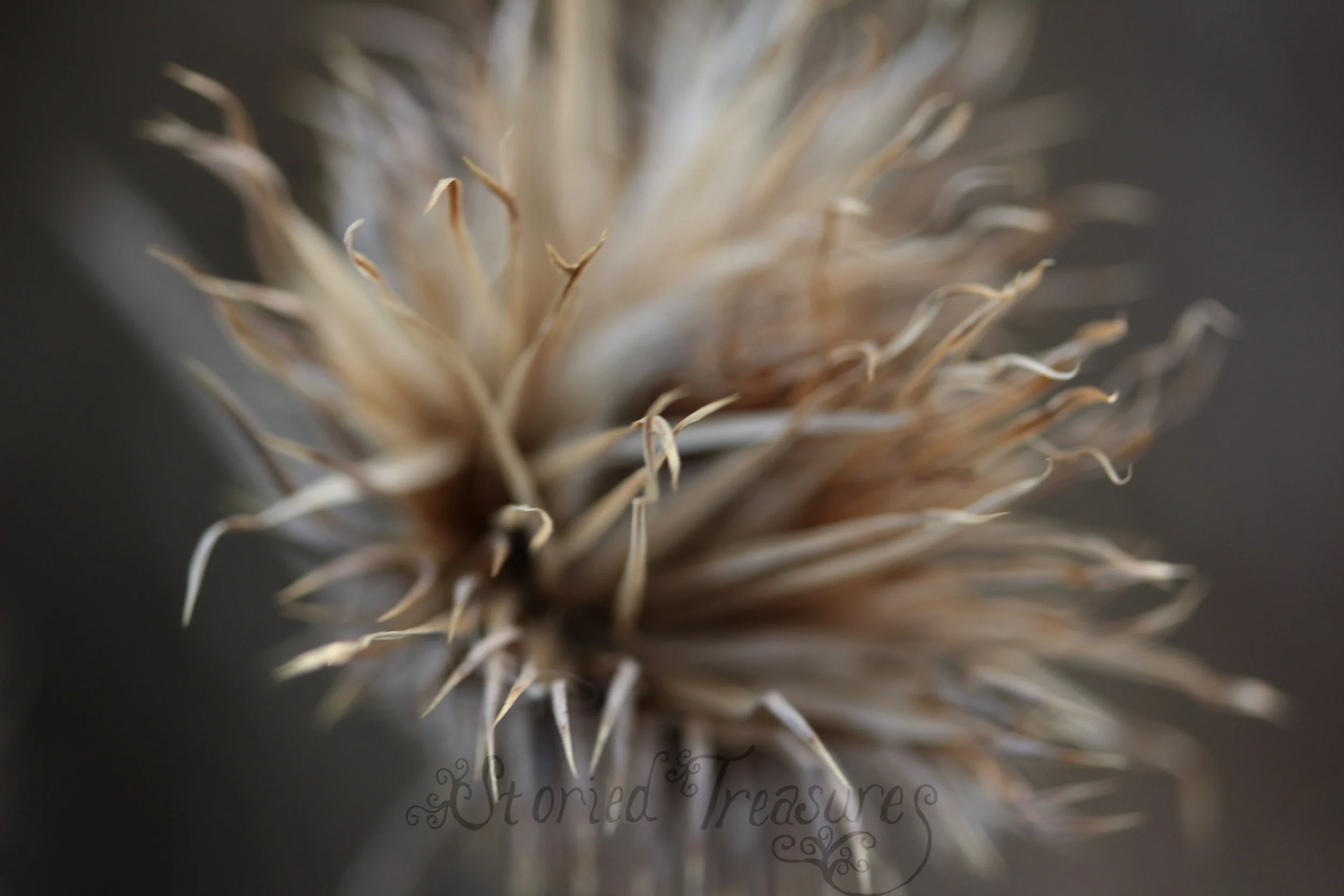
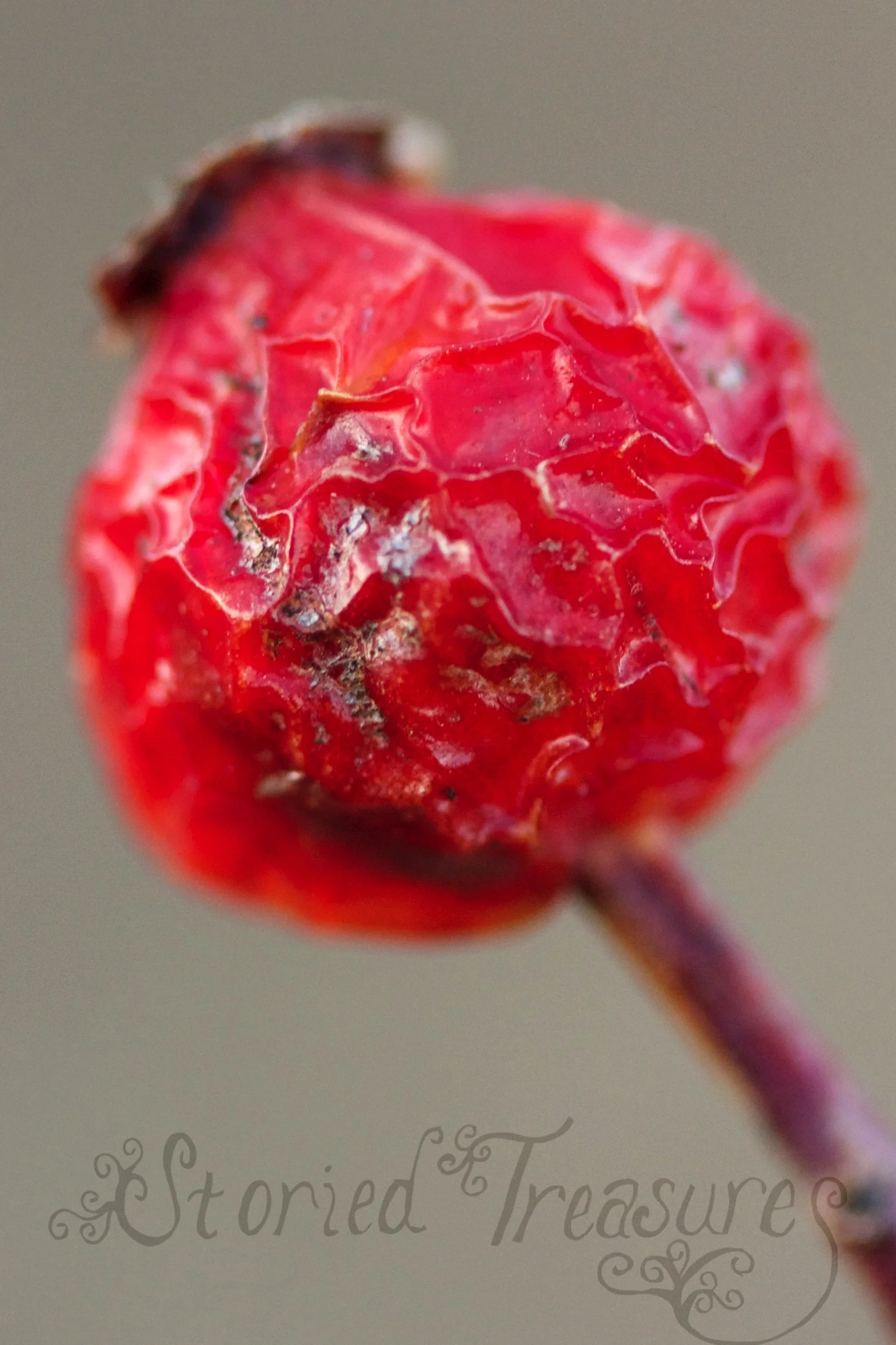
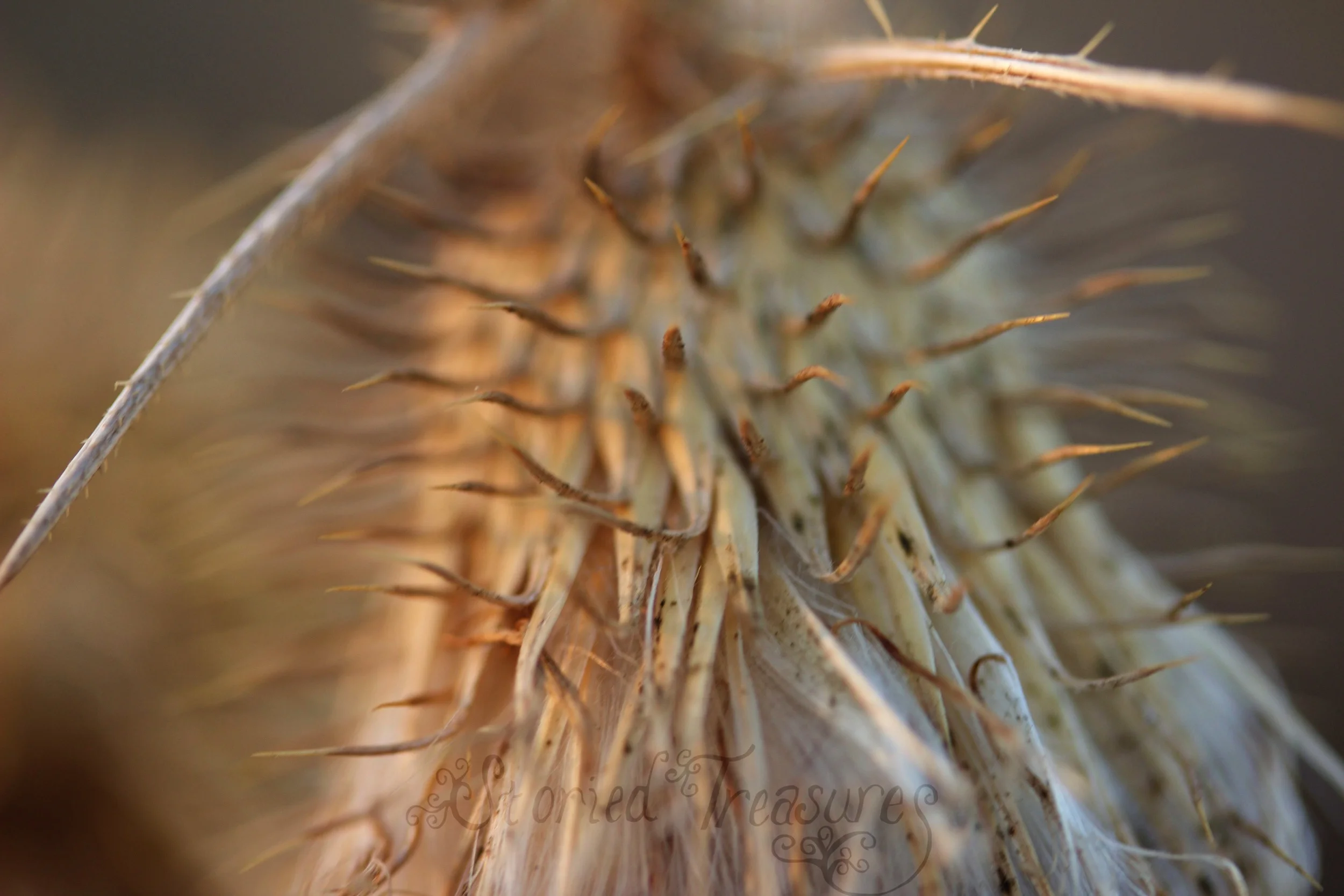
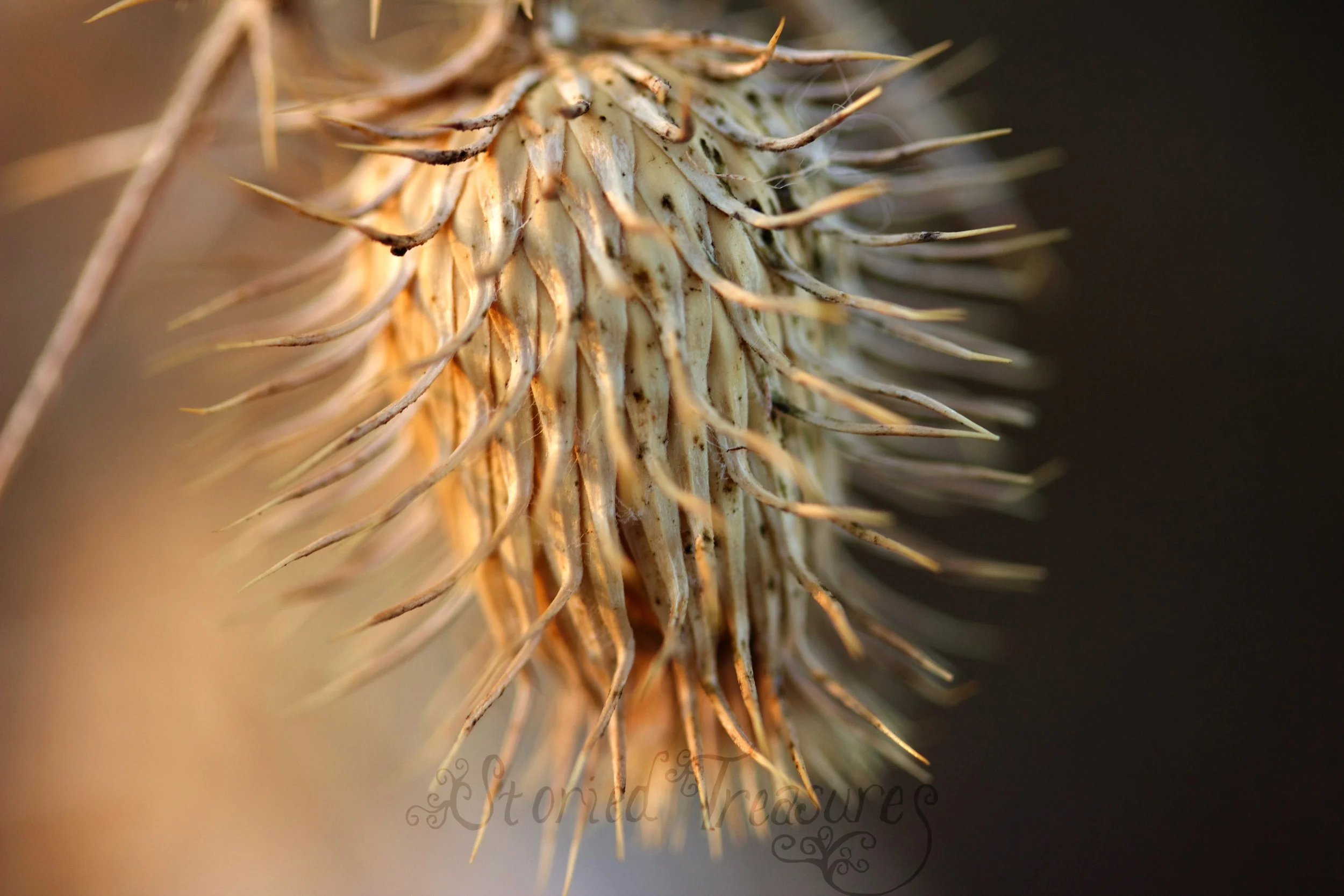
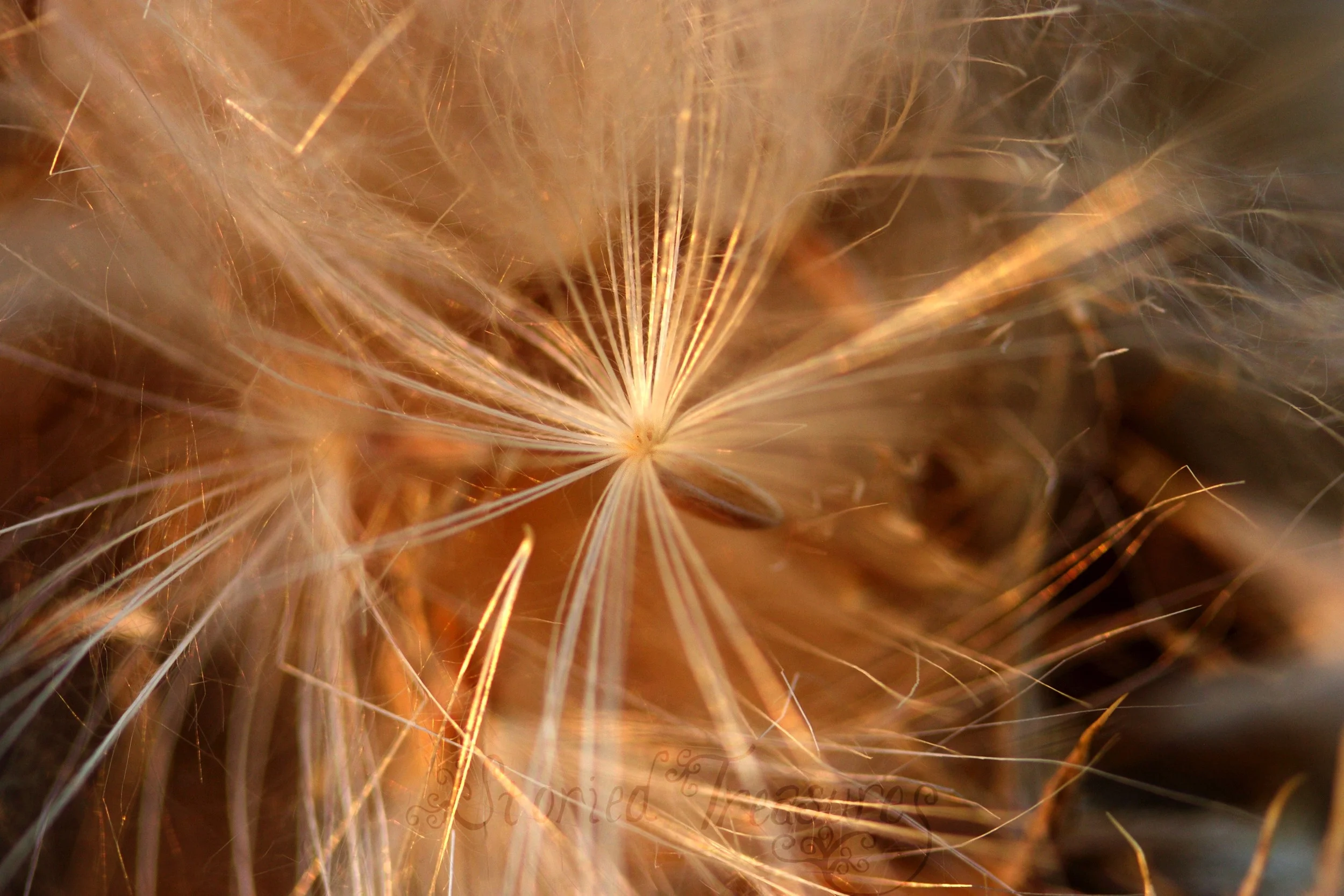
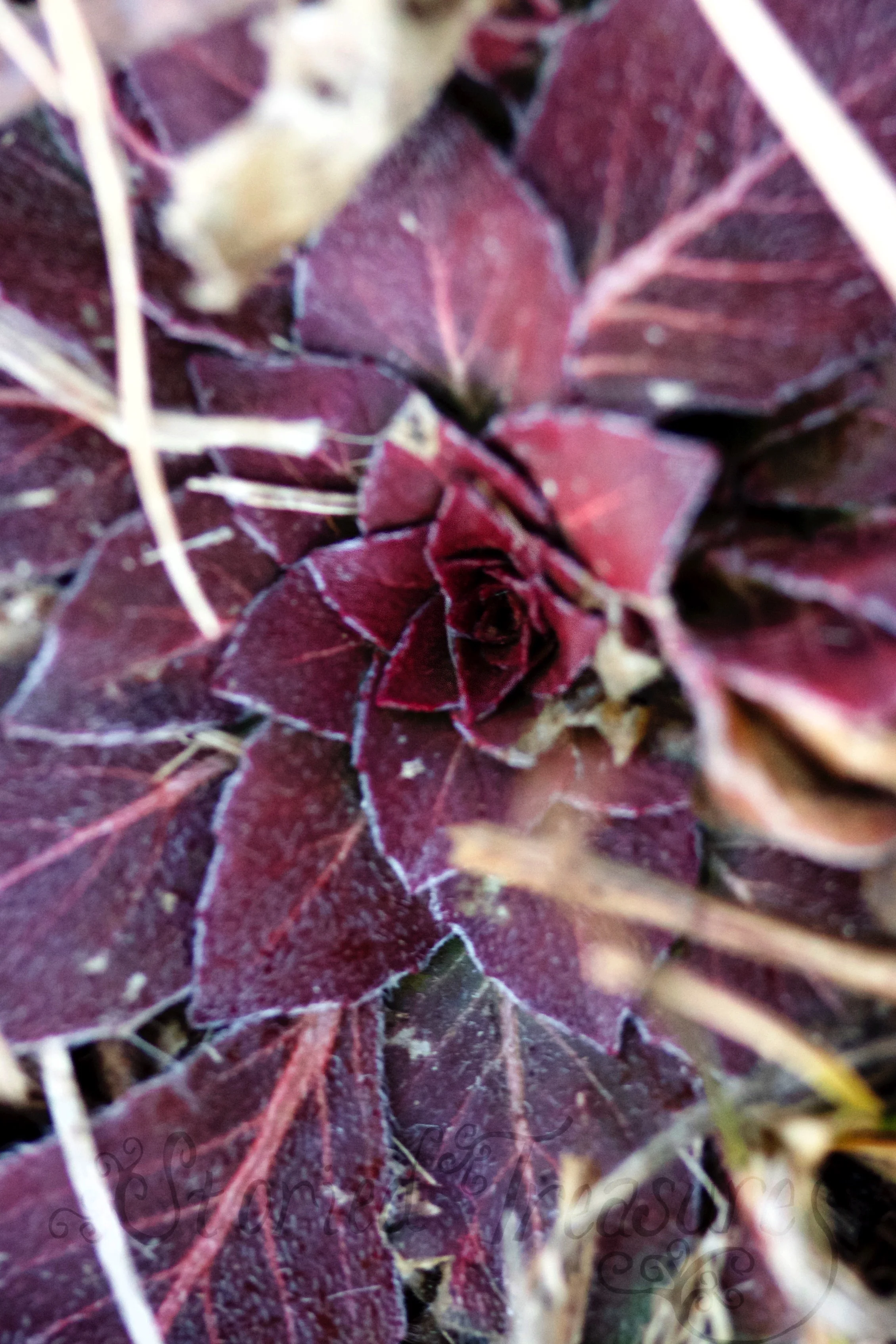


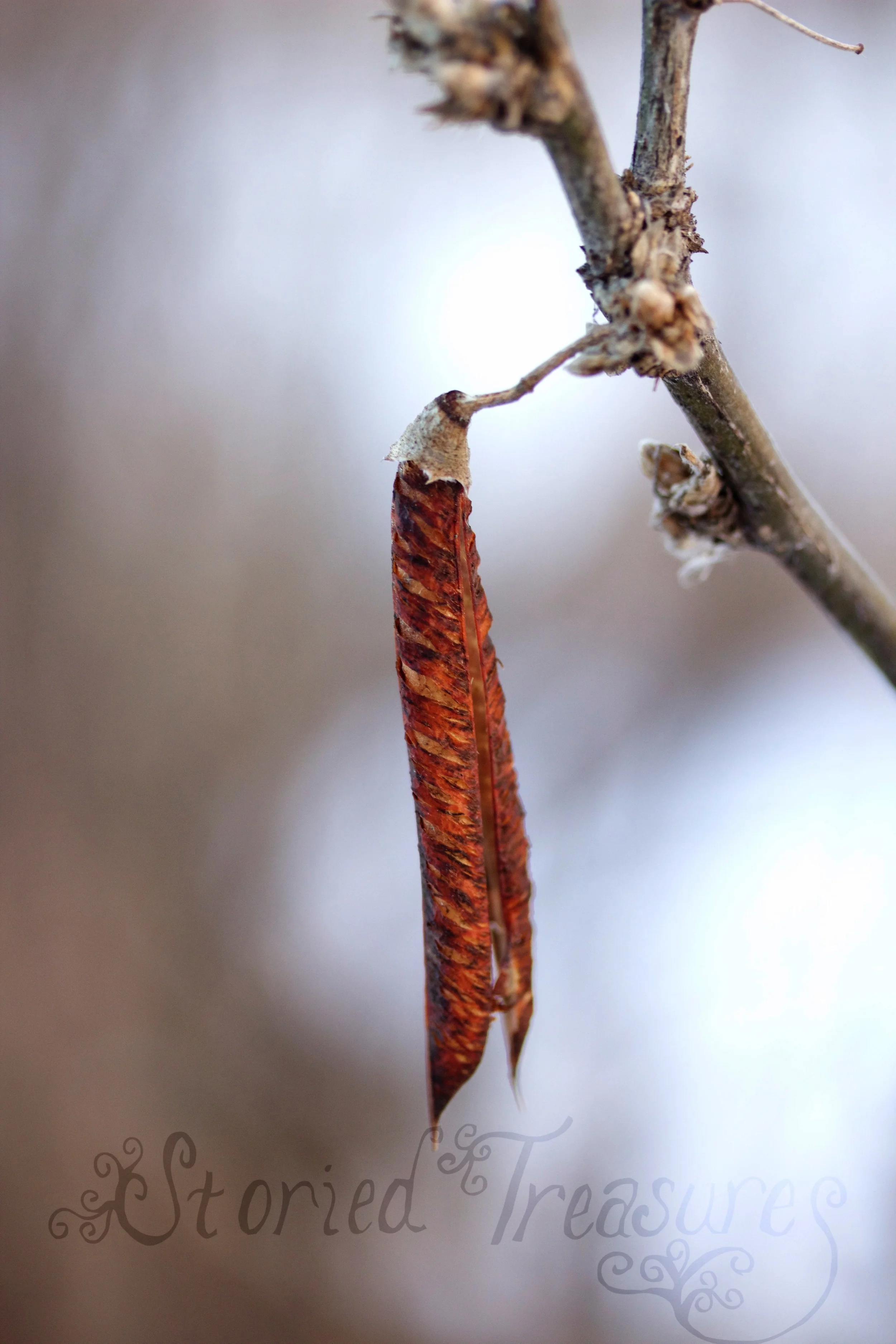
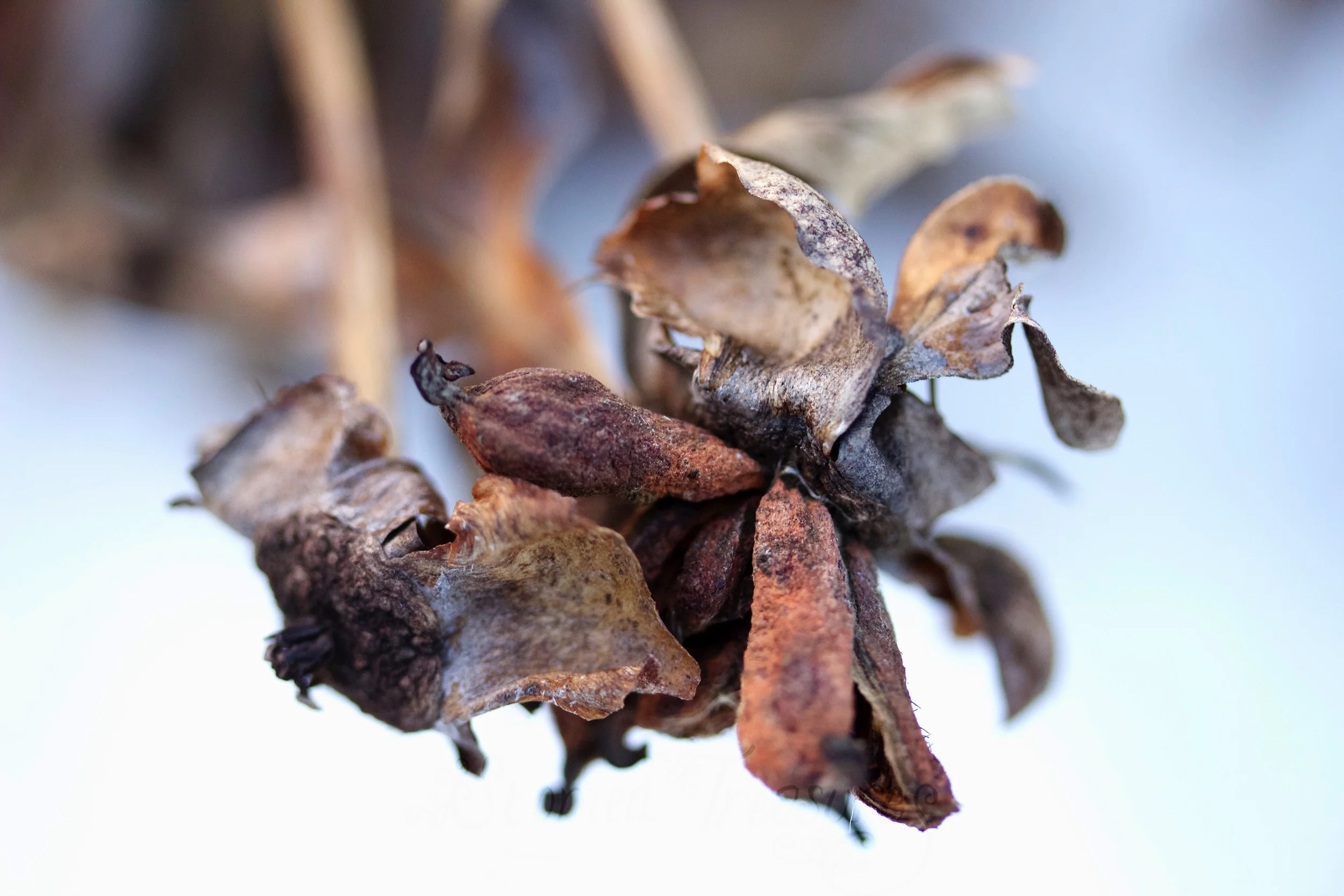
*Disclaimer* I realize some of these may not be dormant seed/seed pods/plant in dormancy. For the sake of poetic creativity, please don't feel the need to point that out. Just enjoy the images! :)