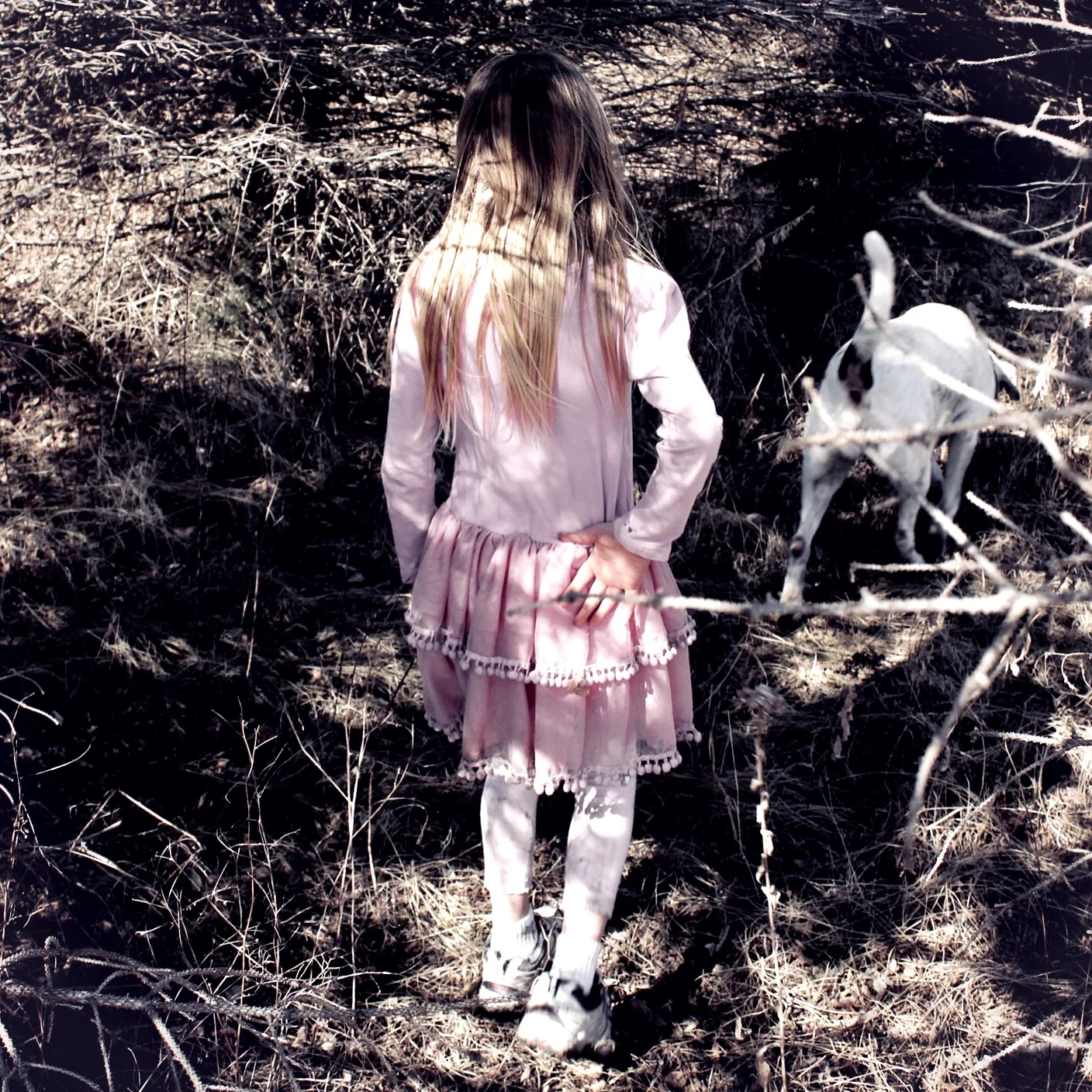
Cousins! A Spring Photo Shoot
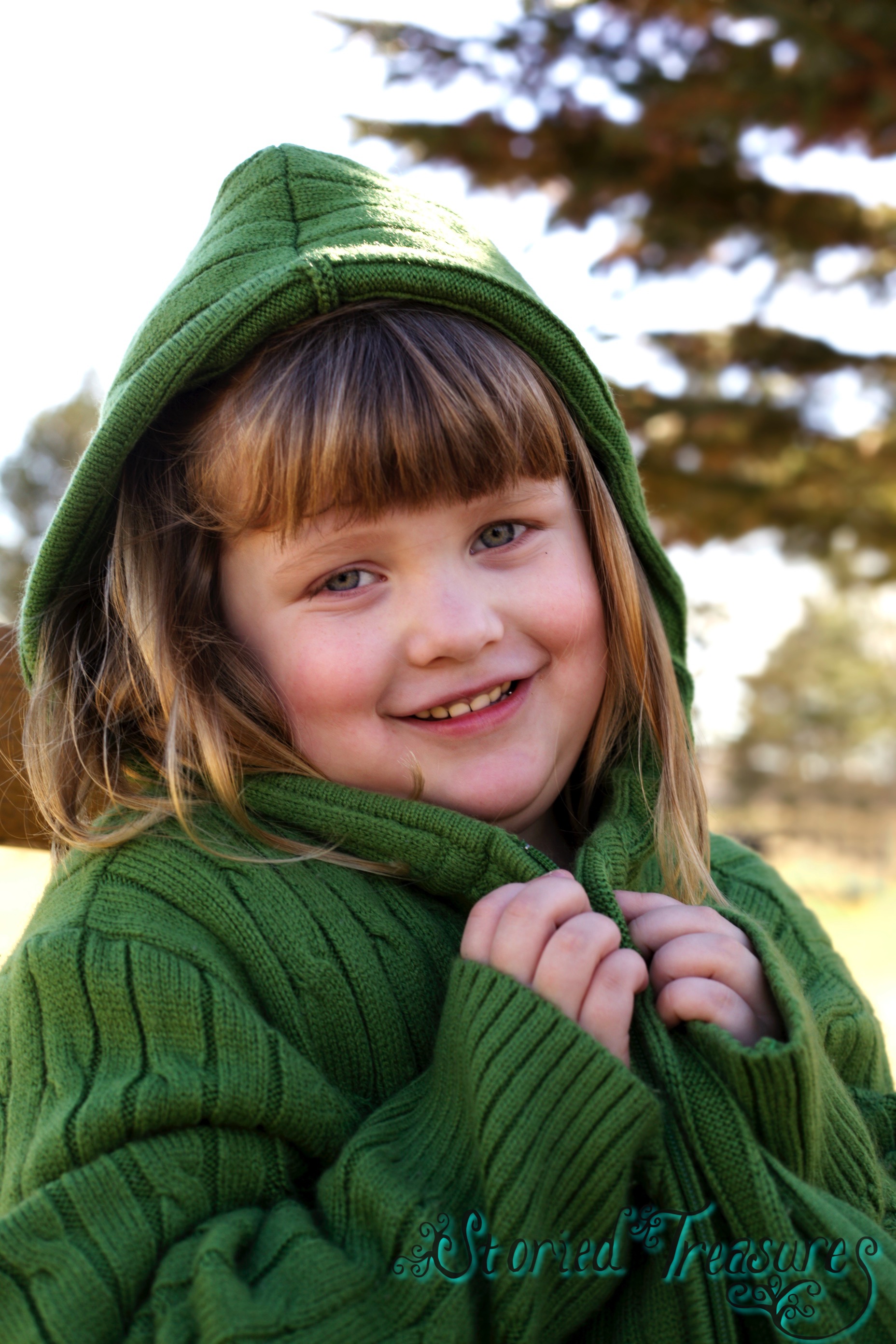
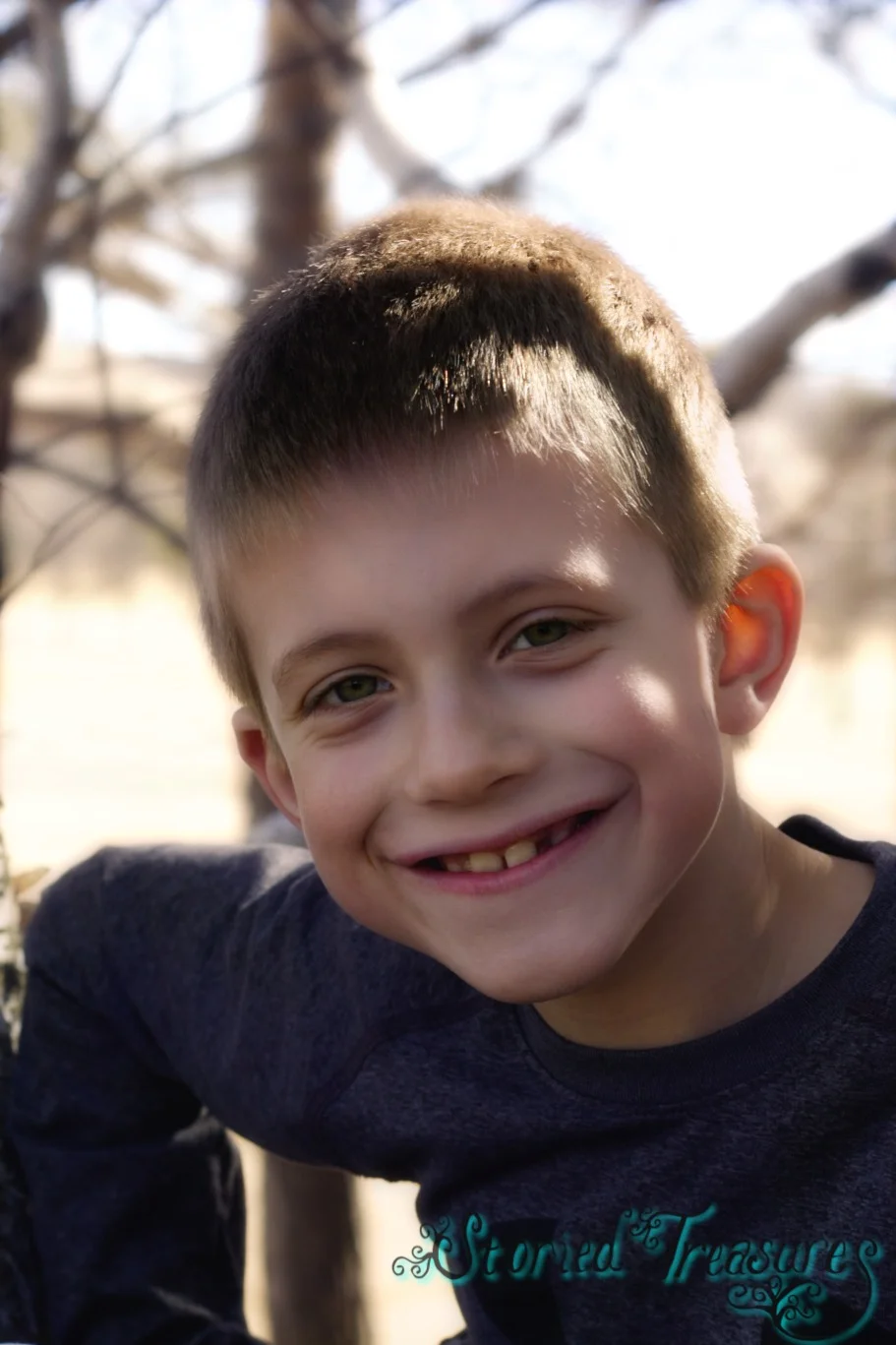
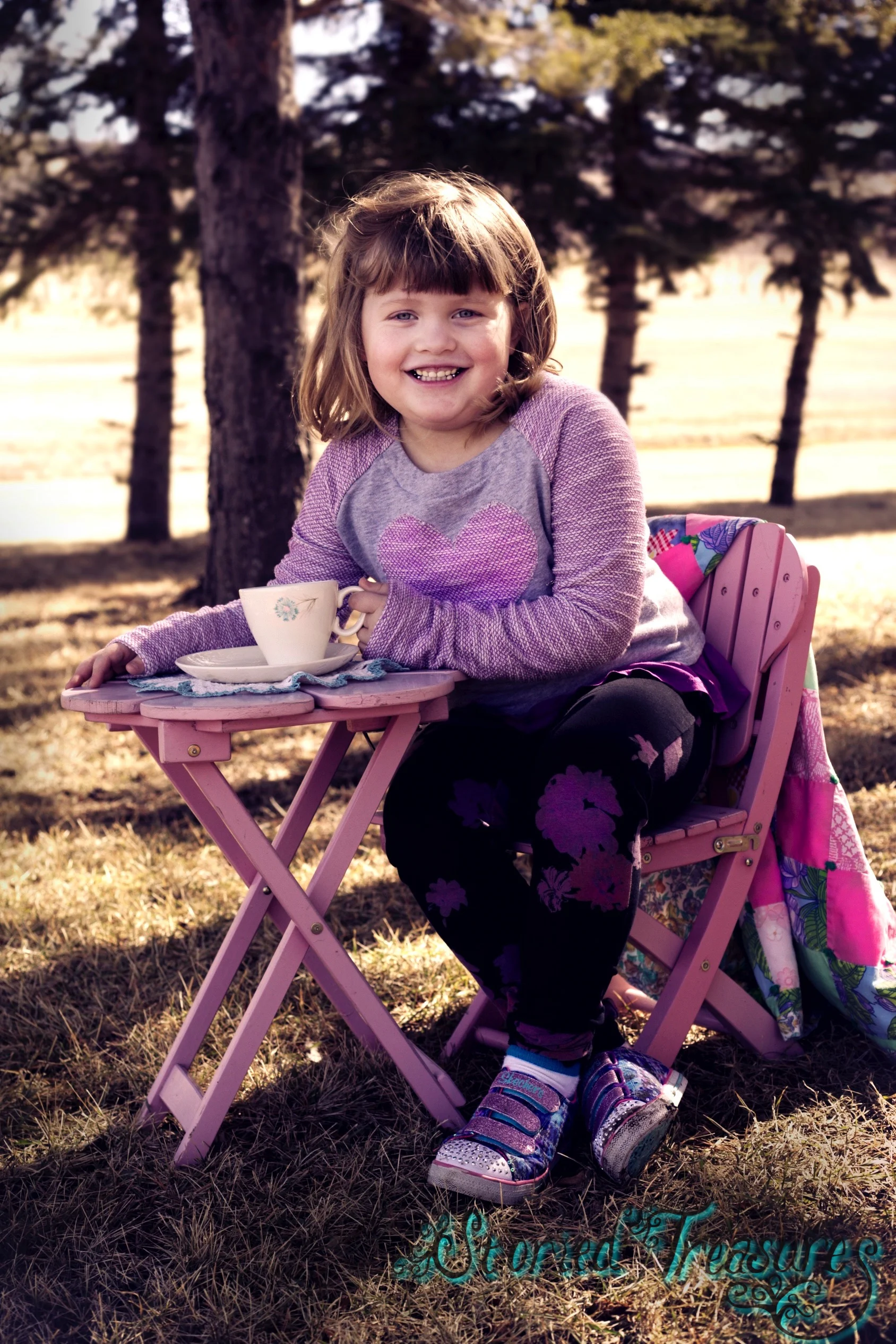
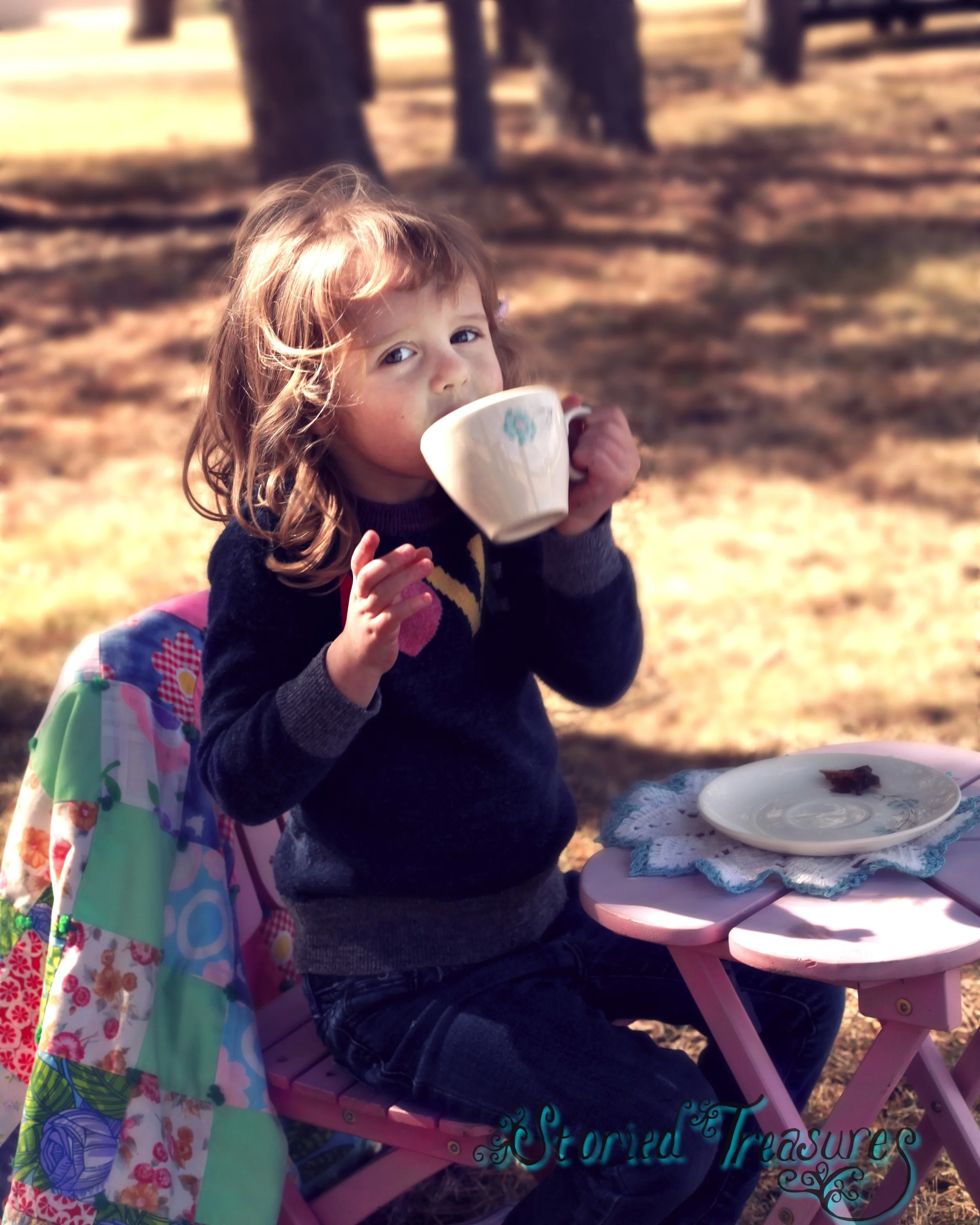
My friend Heather asked me to take photos of her kids and niece recently. We were granted a gorgeous, rare in these parts, sunny spring day (We don't really "do" spring in NoDak) and though it was a bit sloppy out, the kids and I had a blast taking photos! I even got a little muddy and wet laying down in the muck to "get the shot" which got some giggles.
Heather and I are members of a crummy club and she really wanted to bring the memory of her Mom into these photos. I suggested shoes or an article of clothing. She found the perfect piece in a green hooded sweater. The color played beautifully with the girls eyes and the surrounding landscape. Hung on the back of the chair, it was a simple reminder to her son that she is always with him.
Thank you Heather for asking me to do this! You have no idea the sense of peace and purpose it brings to me!






The Tools in our Toolbox
I recently finished reading Brene' Brown's book Rising Stong. It is a book that should be read by anyone and everyone. It was that amazing. Read it, I promise, you will find insight in her words.
Brown talks in the book about a study in which she asked a plethora of subjects the question, "Do you believe most people are doing the best they can, given the tools they have." The responses and their correlation to their own feeling of "wholeheartedness" are quite intriguing. Ask yourself the question and see what you answer. Then read the book. Trust me.
The first time I heard this expression of people functioning the best they can with their tools they have was back in one of my nursing classes. I remember hearing it and it just stuck. It was one of those expressions that honestly changed the way I looked at people, their reactions, and their behaviors. When I worked in an ICU, I witnessed a multitude of behaviors and reactions. Experiencing an ICU setting often tends to bring out the least desirable traits in humans, because of the unexpectedness, tragedy, or finality that often seems to accompany the experience. I encountered family members that were clueless, unrealistic, angry, resentful... the emotions went on and on. There was really only two choices I could make. Judge them for their current actions, or acknowledge they were doing the best they could with the tools they were given.
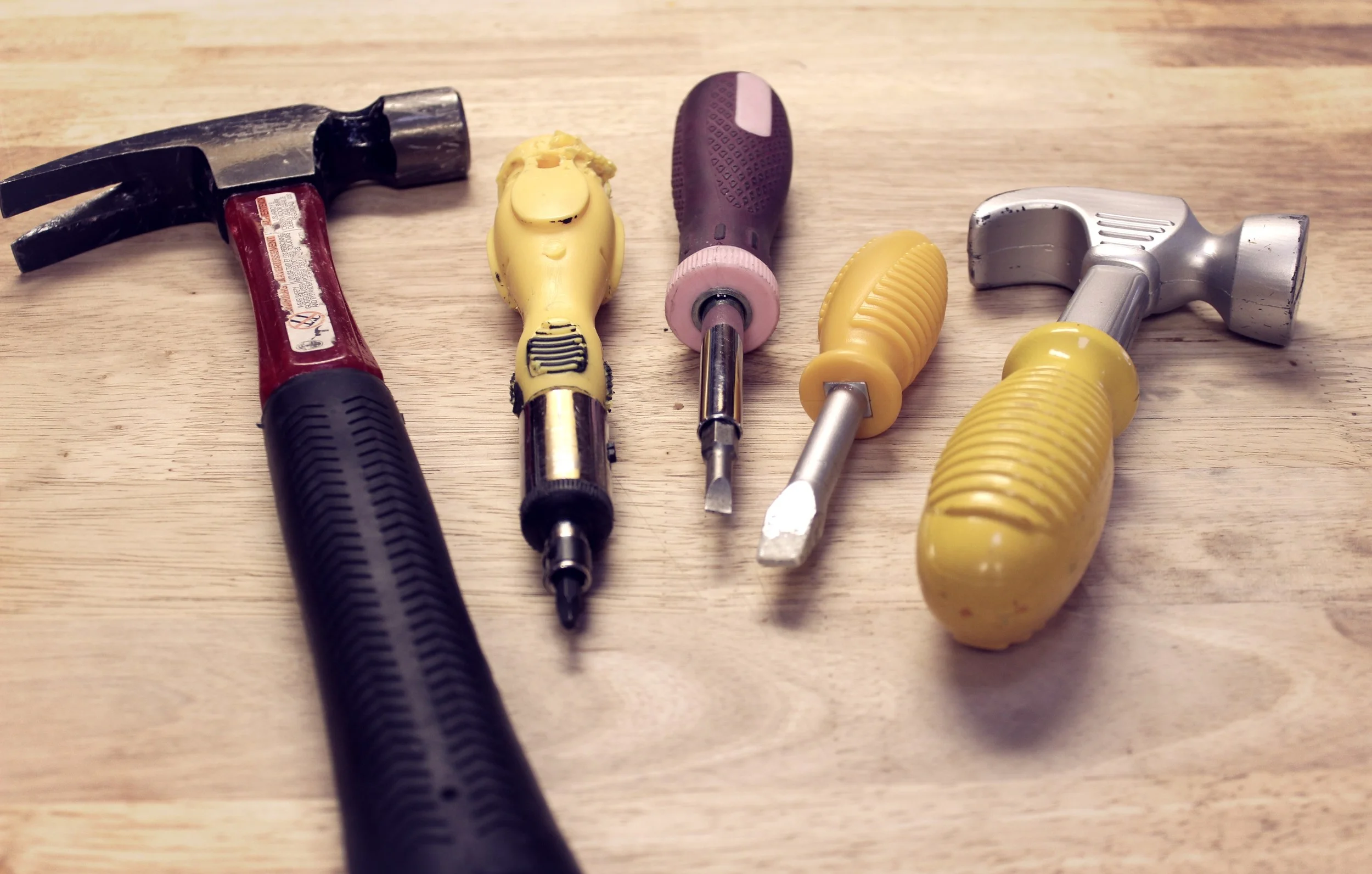
The more I embraced this thought pattern, the less judgement lived in my thoughts. We like to judge, as humans. Oh... we like it. It makes us feel powerful, superior, BETTER. When we judge, we make the assumption that everyone was handed the same tool box at birth. Which frankly, we weren't. The reality is some of us have a huge shop, walls lined with standing tool chests filled with every Snap-On, Dewalt and Craftsman tool known to man. Some of us have that little wooden toolbox we got as a child, that has a hammer and a screw.
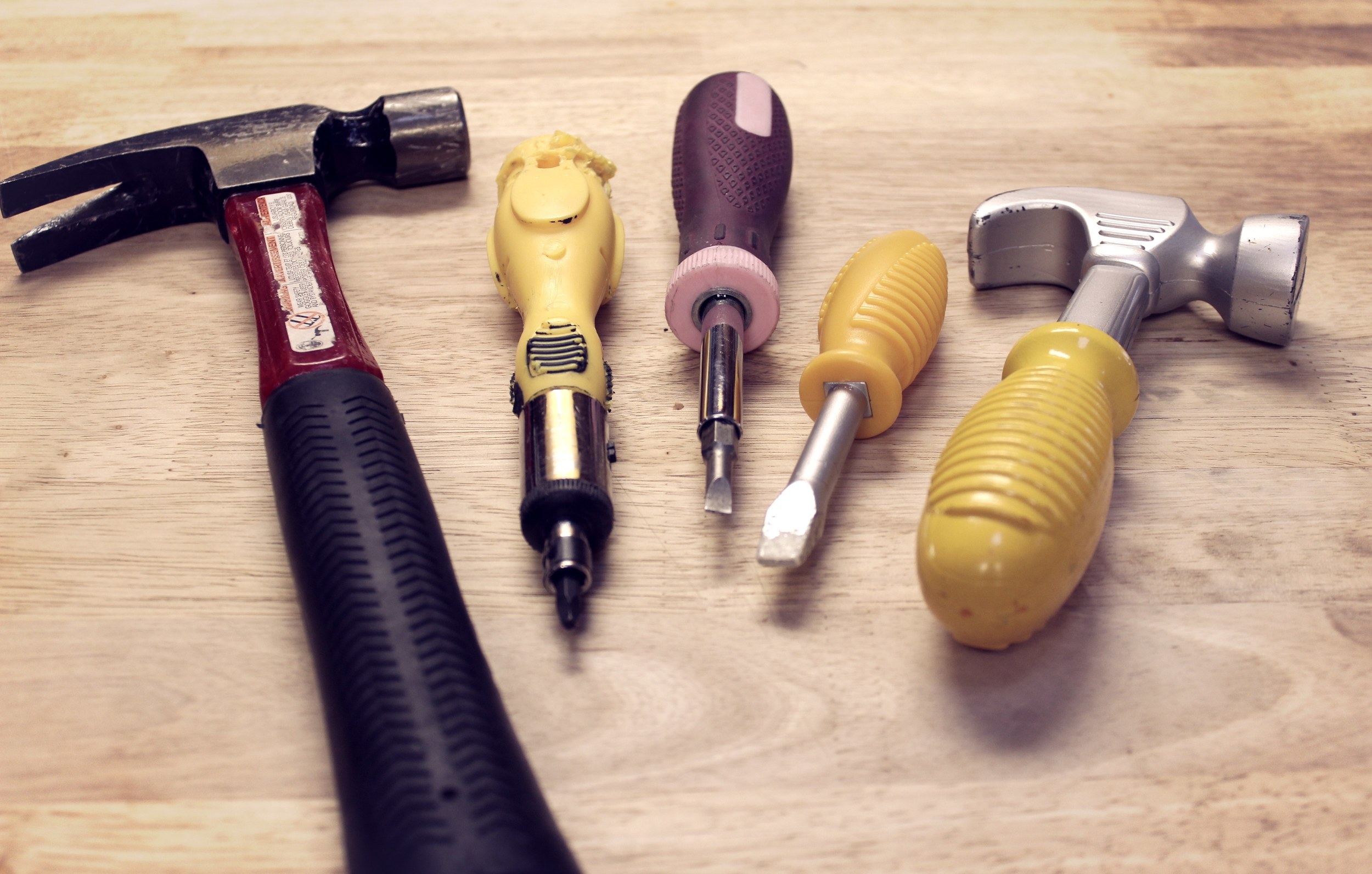
All of our tools are not the same.
Some of us, through education, privilege, luck, and hard work acquire tools as we grow. Some of us will suffer through addiction, tragedy, loss and abuse, misplacing some tools along the way.
I firmly believe there is truth is the statement "You can not know, what you do not know." So does this excuse behavior or actions? No. However, if someone has never been giving the proper coping tool to deal with defeat, or a humility tool to accept praise, they simply do not know better. If someone has never received the tool of accountability or responsibility, can we fault them for feeling a sense of entitlement?
Sometimes we are offered a tool, and we proudly say "No, No! I don't need that! Thanks anyway." Recently I was offered a tool for one of my children and instantly felt guilt and shame because I obviously have screwed them up before they have reached puberty, and they were going to move out and go find the Fuller House gang to move in with. When blathering about how I'd messed up as a mother, and Jesse, Joey and Danny were far better parents than I, a couple people, who I respect and love, gently reminded me "This isn't about you. It is about them." Oh yeah...
What I failed to realize is that they weren't really handing the tool to me, but those near me, those who may benefit from the tool: our kids, our students, our spouse. They may be the one who will actually benefit from the offered tool. We need to take the tool, and realize it wasn't made exactly like ours, but just ever so slightly different for those it is intended.
In interactions we encounter, instead of jumping to judgement, what if we actually considered offering a tool we may have of our own? Insight, knowledge, experience or even something as simple as a hug may be the exact tool someone else needs. When offered a tool, instead of quickly refusing it because we think we don't need it, what if we looked around us to see if it is actually tailored for those little sticky hands we hold?
I was discussing this "tool" concept with my friend Dr. Heather (lesson plans, not stethoscopes) and she told me of a phrase she heard in graduate school: "If the only tool in your toolbox is a hammer, everything will look like a nail." Wow. Mind blown again. The ability to acquire different tools allows us to adapt and use the best tool for the job. A hammer does not effectively work on a screw. It can be done, but not with any form of finesse or skill.
As we approach experiences and individuals with this tool concept, it is vital to realize that though you and I may both have a hammer, they may appear differently. This doesn't not make one better or worse; make one right or wrong. They are just the tools that work for each of us, and as my dad emphatically yelled, I mean stressed, (after finding pliers, hammers and screwdrivers strewn about the yard) we must respect others tools, because they are valuable and we have no idea the the cost at which that person attained the tools they have.
The Promise of Dormancy
It was one of those days that I felt like a frayed wire. I was exhausted, overstimulated and crabby. It was also a beautiful rare 40 degree day in January. I grabbed my camera and wandered off into the yard.
"What are you going to take pictures of?" My husband voice trailed after me as I trekked up into the pasture. "I dunno." I said truthfully. But I had my macro lens fitted on my camera and I knew well enough if I wandered a while, the urge to punch someone in the neck would drastically lessen.
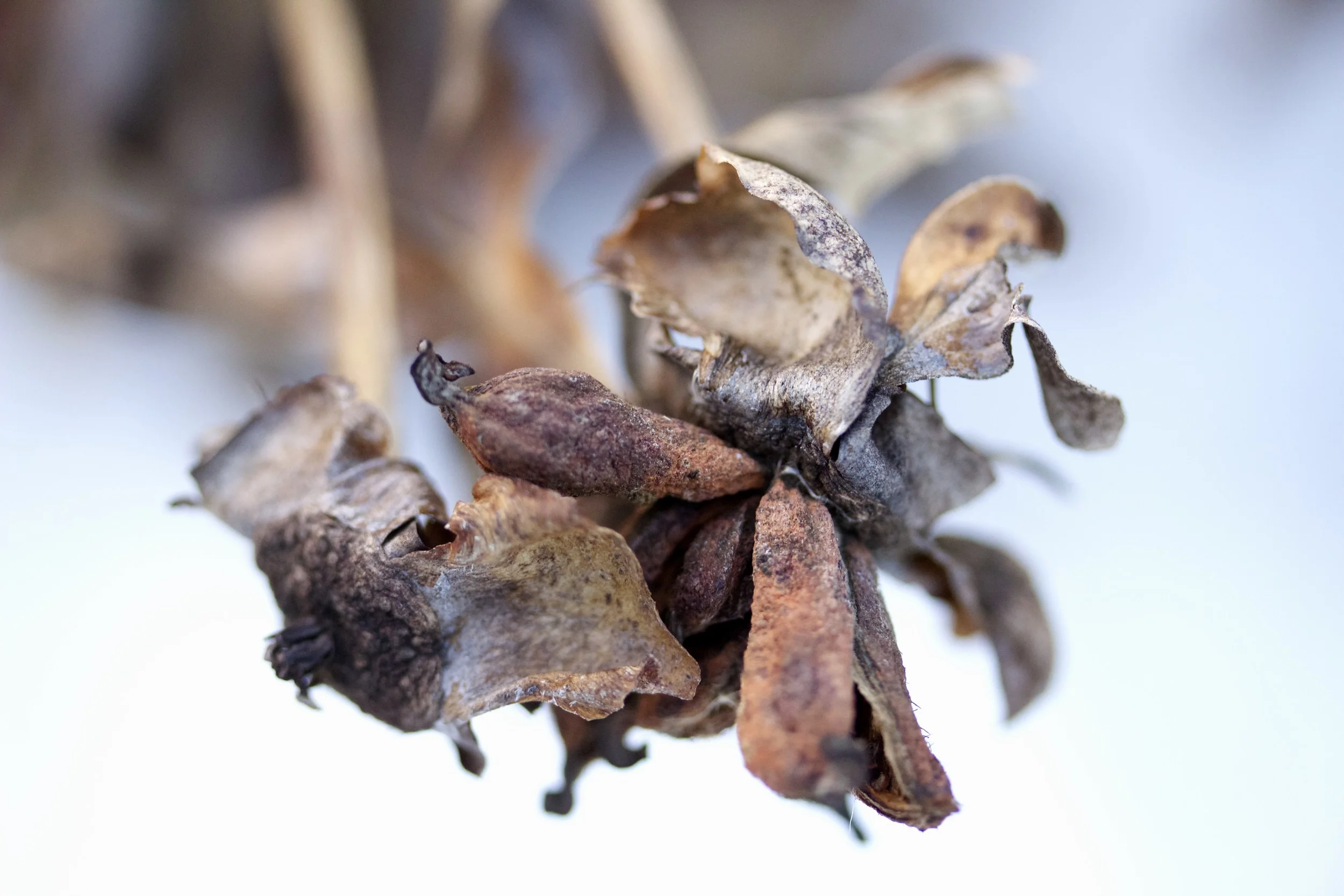
As I wandered through the pasture, the neighboring cattle lowing in the distance, I had challenged myself to find beauty in the the drab dormant surroundings. Most think it ugly, bleak, harsh in contrast to spring or summer. It is no surprise that most people love spring and summer: the rebirth, the colors the vibrancy (and the heat.) For the most part, winter is harsh. But as I slowed down, and looked, really LOOKED, there were amazing things to be discovered in that dismal setting.
Dormancy, that period of waiting. Why is it necessary? What's the big deal? I read some about dormancy after my wandering and found the science surrounding it fascinating, and applicable to life as I know it. Dormancy allows the conditions become ideal for new growth and development. Without dormancy, the plant sprouts too early in less than ideal conditions and die. Dormant seeds allow plants to give rise to new species. The white spruce requires a chilling period before it can continue new growth and development.
In contrast, human society thrives on and encourages constant motion. Development, advancement, success, exhaustion and popularity are benchmarks of doing it "right." Being "busy" is our most prized adulting merit badge. News syndicates throw out ill-prepared stories to get clicks and likes. People tweet poorly-thought out messages to cause pain before they are pained. We are becoming programmed to rush, to react, never to pause and wait, because "doing nothing" is a lazy crime. This constant, self imposed activity is what had lead me to standing still and alone in this pasture. Anxiety and stress started to fall from me like the helicopter seeds my children throw in the air, spiraling away in the breeze. ,
But nature waits. When we don't interfere with nature, she seems to handle things pretty well. For say, oh, thousands of years. She takes some time to rest. She insists her plants and trees indulge an idleness that allows them to function again, sometimes even better than before.
We could learn from observing her. There is beauty in the pause. It is reparative. It is necessary. Dormant periods allow timing to synchronize with the environment that is the most beneficial and ideal for our growth. We must be willing to slow down, suspend the need to "go, go, go" and risk exposure, weathering to allow ourselves to mature and blossom.
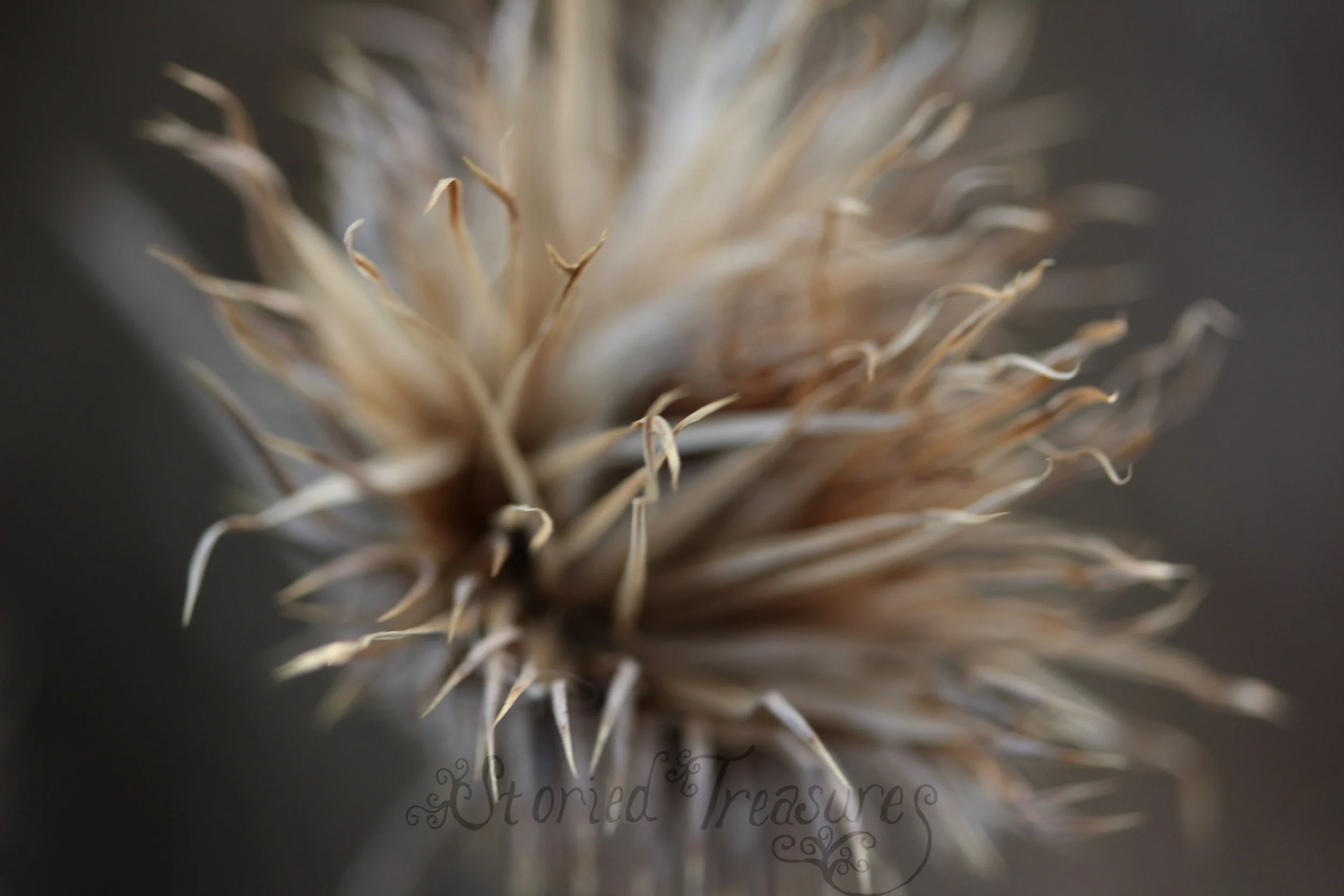
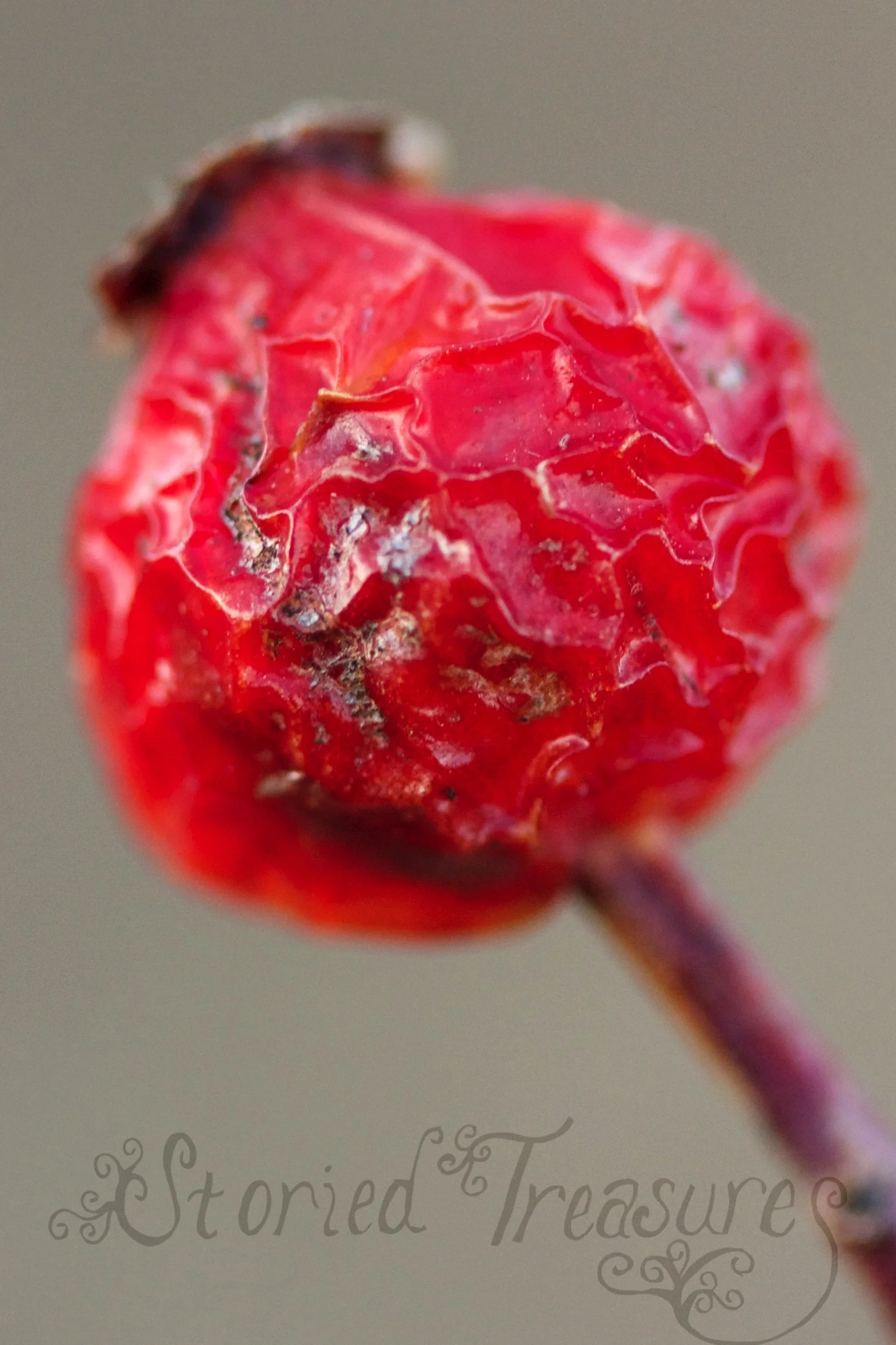
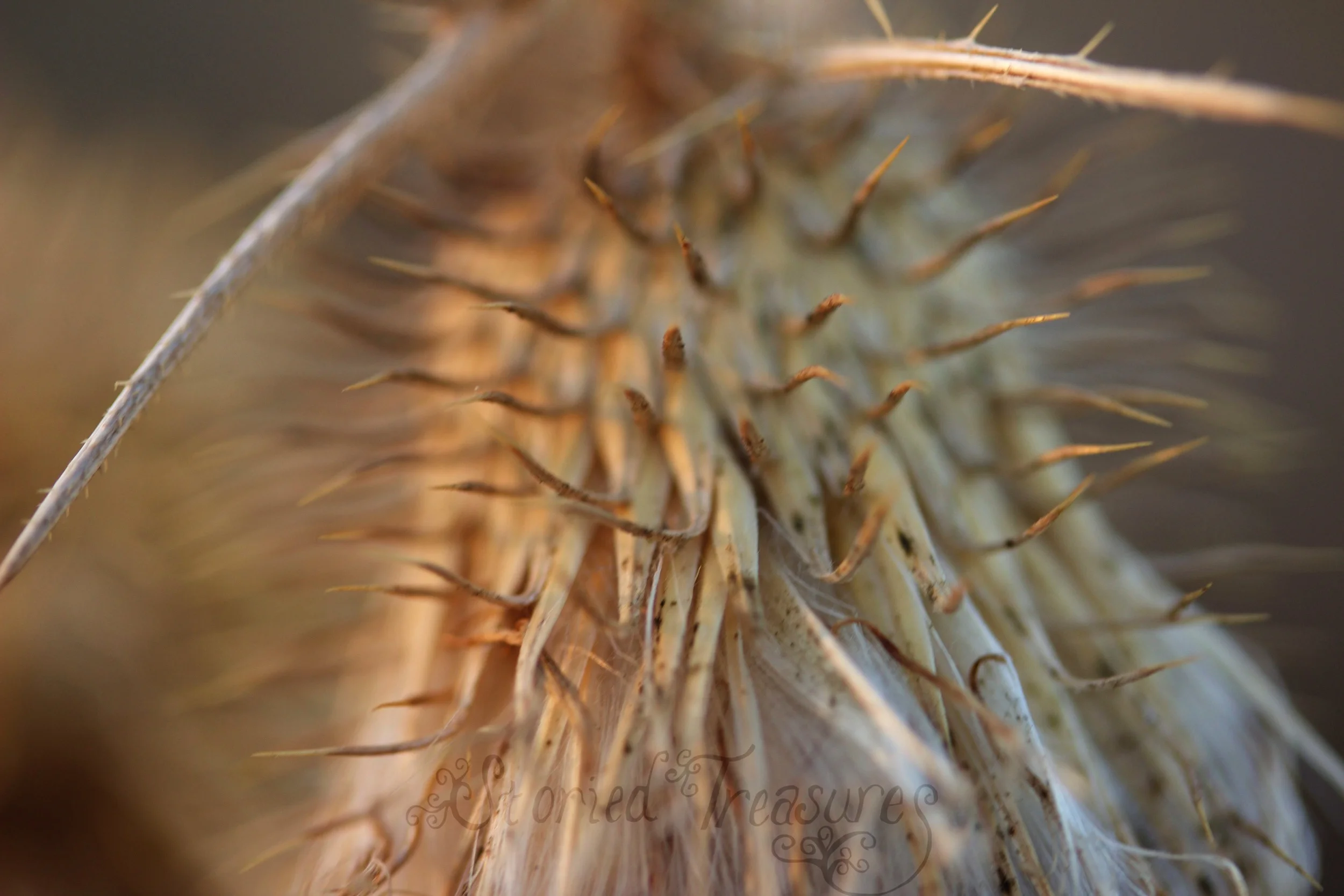
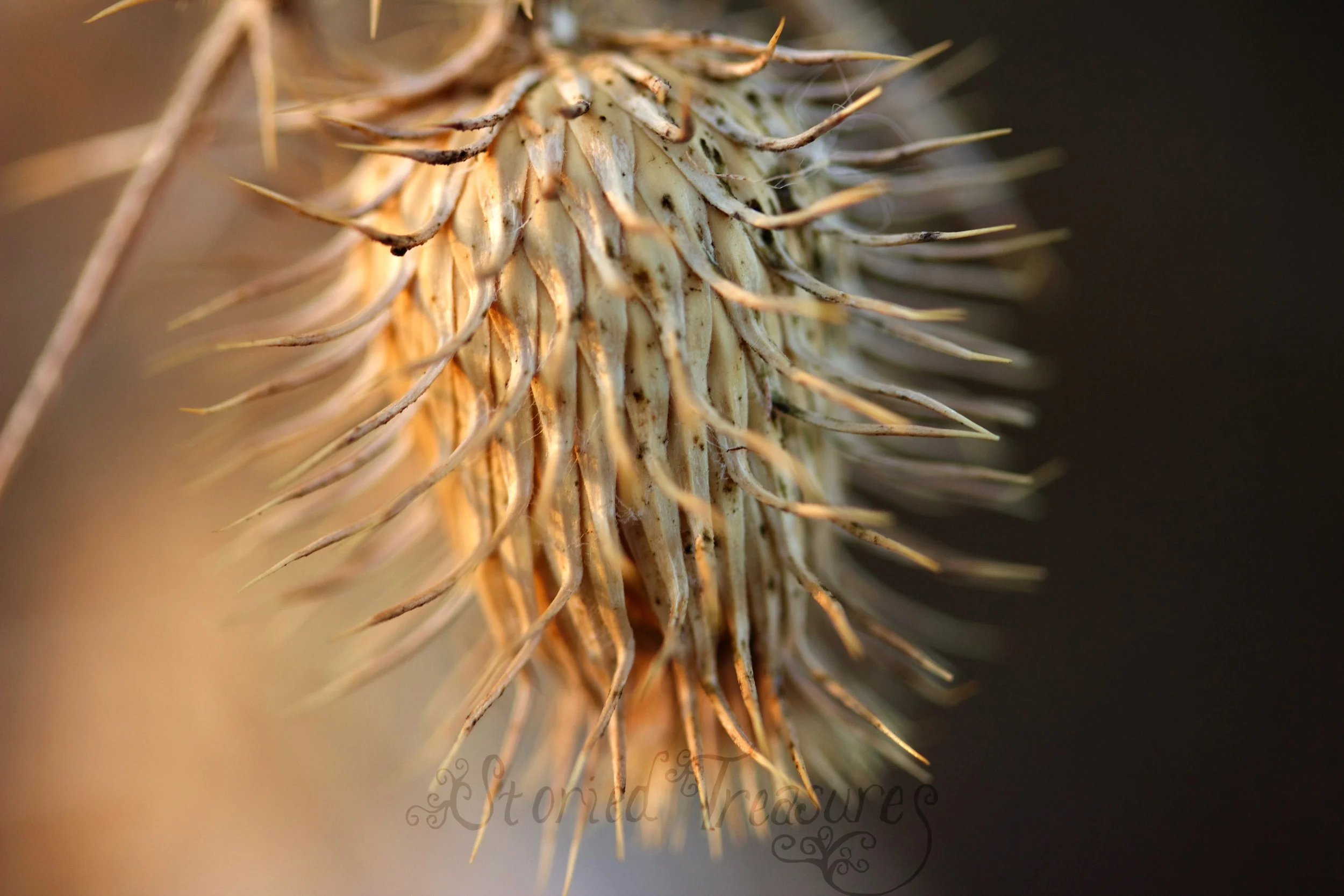
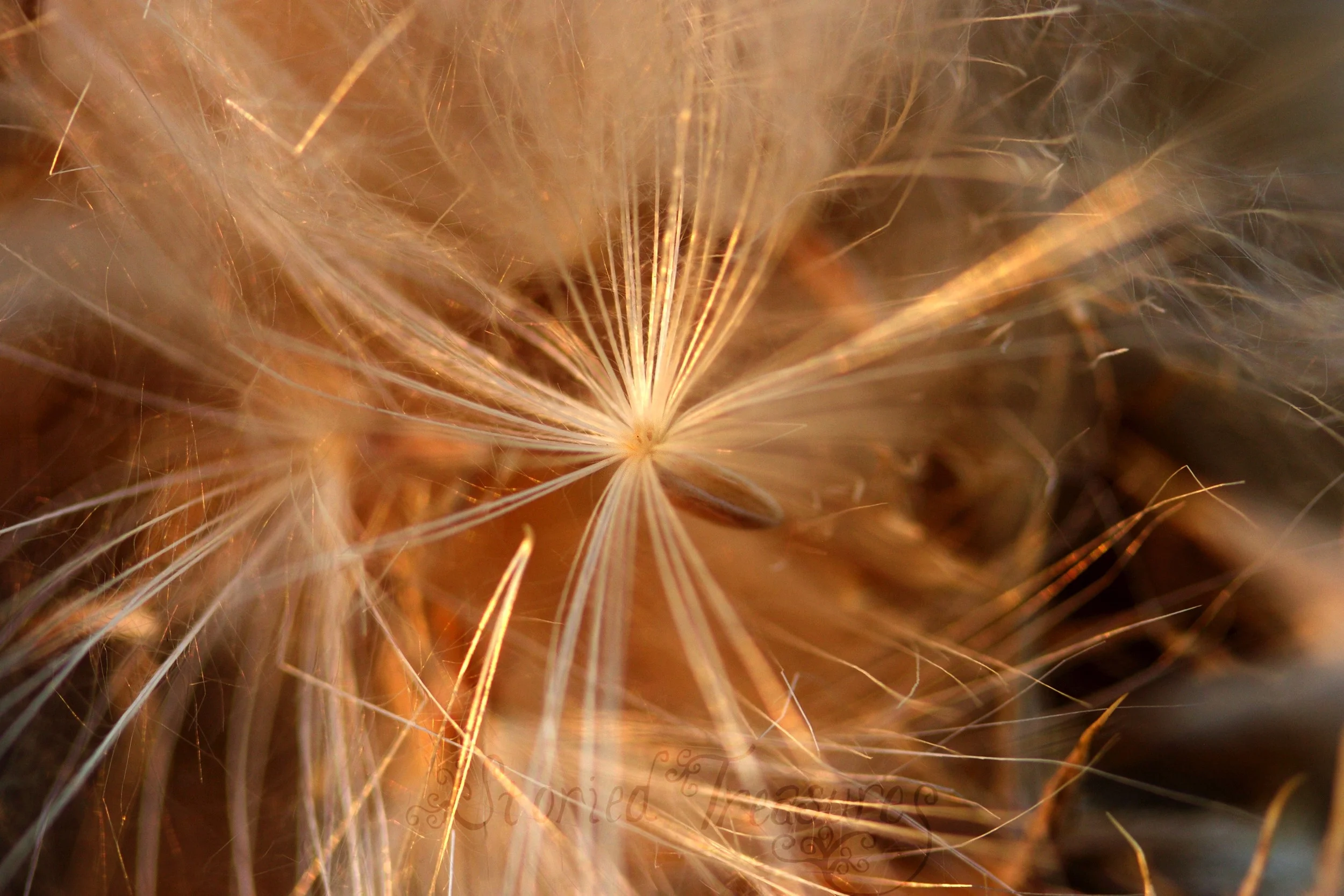


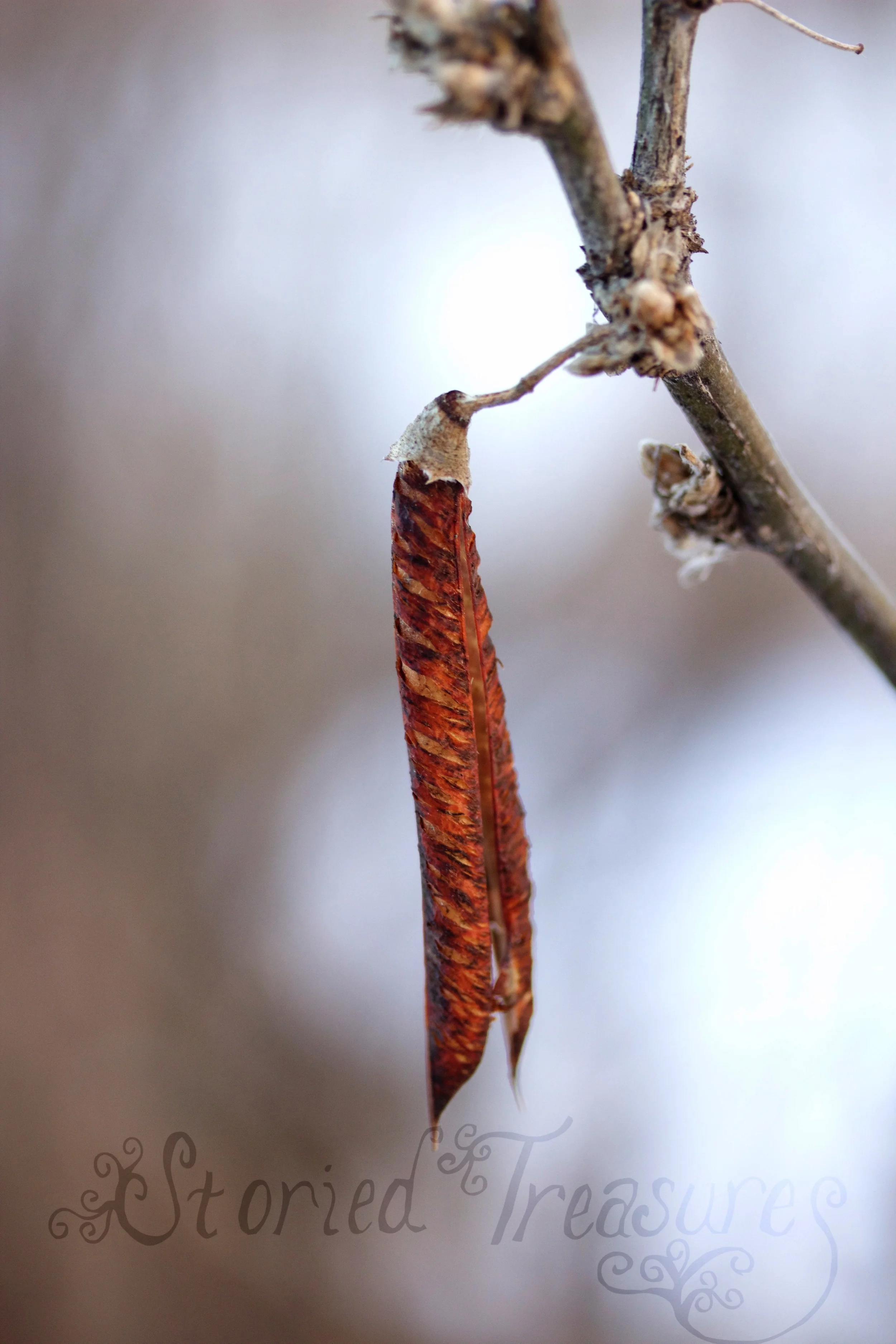
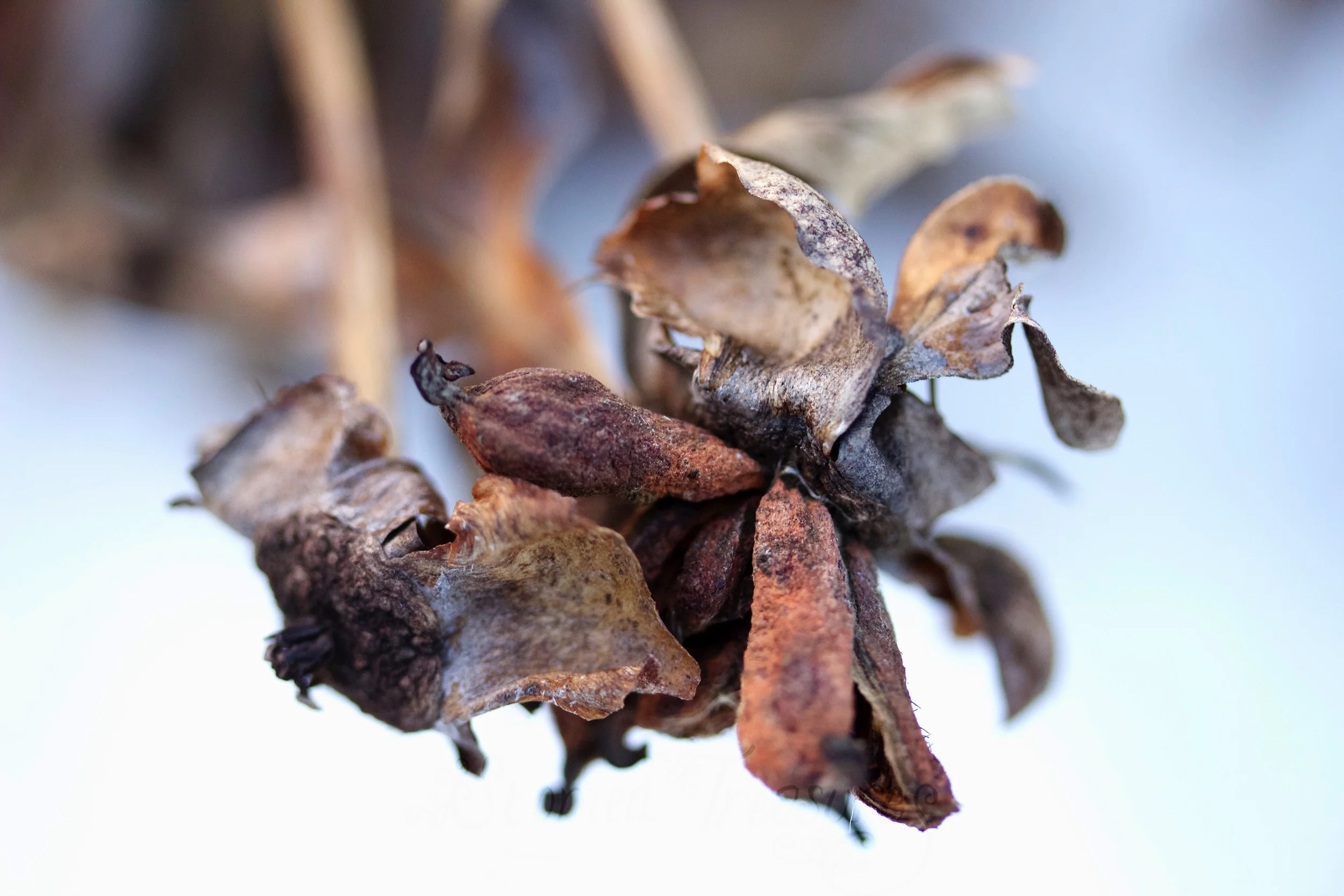
*Disclaimer* I realize some of these may not be dormant seed/seed pods/plant in dormancy. For the sake of poetic creativity, please don't feel the need to point that out. Just enjoy the images! :)
Mothering in the Land of Best Friends
"I'm NOT going to SCHOOL!" she screams.
"Yes you ARE! You do not have a choice in this matter. It is your job!" I shout back.
This is all to frequent in the mornings.
The silent car ride, the crossed arms. The hurtful "You hate me-s."
And she is only 8. Lord please help me as the tween/teen years roll around.
I worry a great deal that I am screwing it all up with my daughter. I cry. I text girlfriends with older daughters. I text older friends with grown daughters. What am I doing wrong? Or am I doing it right? I don't know.
I GET my boys. They are emotional beasts like me. If they are upset, I know. If they are angry, I know how they are, and exactly WHAT they are angry at. They wear their emotions like a billboard, and I KNOW this. I have 41 years of my own transparency.
But she is so different than me. And this isn't just wishful thinking on my part, this comes from siblings who knew me, and sat on me, when I was little. She is very particular, some may call it OCD.... and her emotions, she keeps them close to her chest. The nastiness that is released in the car after school on some days will eventually reveal itself at bedtime as an earlier confrontation with friends. The refusal to go to Sunday School will eventually come out as anxiety over seeing someone there. She is not the open book her brothers are, and reading her sometimes takes hours that I don't have when we are already running late.
I find myself struggling to mother my daughter in a land of mothering "best friends." I see posts and blogs about Moms and daughters being best friends, and I just don't understand it. I mean, I don't have much against it, I just don't get it. It is like being in a foreign land, observing, but not understanding a conversation; this is me in the land of Mother-Daughter best friends.
God knows how much I miss my Mom. But she wasn't my best friend. She was my Mom. She was my cheerleader, my chauffeur, my ear when it came to school and friend stuff, but no way would I talk about boys, or love, sex or drinking. That was what girlfriends were for. As I aged and got my first real paying job, and apartment and was paying my own bills, our relationship morphed into more of a diagonal instead of a vertical line. But there were still topics that were off not discussed. Usually the opposite sex and that one too many Bloody Mary I may have had. After I got married, our relationship finally turned parallel. Most anything was appropriate to discuss, including dirty jokes.
Now I am not naive to think she wasn't aware of what I was doing in my life, but it wasn't like I was about to admit or discuss some of those things with her. She was my MOM. There was supposed to be some mystery to each of our lives. Or at least I felt that way. I feared disappointing her, and I still do not think that was wrong or bad. She made her expectations very clear growing up, as well as her pride and love. She had standards and sometimes what she didn't know wouldn't hurt her heart.
I'm not judging those who are best friends with their Mothers. I just look at those relationships with a cock-eyed head; a dog looking at their babbling master. I don't get it, because I didn't live it. And so in the commonplace land of Mother-Daughter friendships, I find myself judging my mothering so harshly. I KNOW I am tough on her, because I want her to be strong and independent. Self-sufficient and curious. A problem solver. My Mom didn't cater to me, didn't entertain me but loved me so very much.
I see posts of Mother/Daughter mani-pedi's and knowing that would have NEVER happened with my Mom and I (in my first 25 years) wonder if I should or should not do that with my daughter. I realize it seems so minor, but I was raised with the concept of certain things were for girls, and certain things were for women. The same goes for dangle earrings (a constant conversation in our home) makeup and high heels for example. My Mom was 37 when she had me. She actually thought she was going through menopause. SURPRISE! It was me instead. And because she was older (more tired) than a lot of my peers' Mothers, her expectations of me were very different than someone being raised by a woman born 10 or 15 years later. Even when I grew taller than her by about 7th grade, there was never any doubt in my mind that she was the adult, and I was the child. She was the learned, I was the learner. She held the purse strings, I didn't own a purse.
My daughter, if she could, would have everything done for her, at all times by anyone she can employ. It is a constant monitoring of this manipulative quality of hers that leads to many confrontations. She is intelligent and more-so capable, and my insistence she uses her skills, frankly, pisses her off. But you don't get to be a confident, self sufficient woman by being a manipulative child. (In theory...) She doesn't get to be my best friend now because I need to her to respect my age, my wisdom, my experiences and my rules. She doesn't need to like them, but she needs to respect them, look up to them, strive for them.
I don't want to be the cool awesome Mom, her bestie. There, I said it. I want her to love me, want her to be with me, but also want her to be annoyed, proud and embarrassed by me, because I'm her MOM.